
Enhanced Personalization
AI tailors fitness experiences, creating custom workout plans and nutrition advice based on individual data and preferences.
Data-Driven Customization
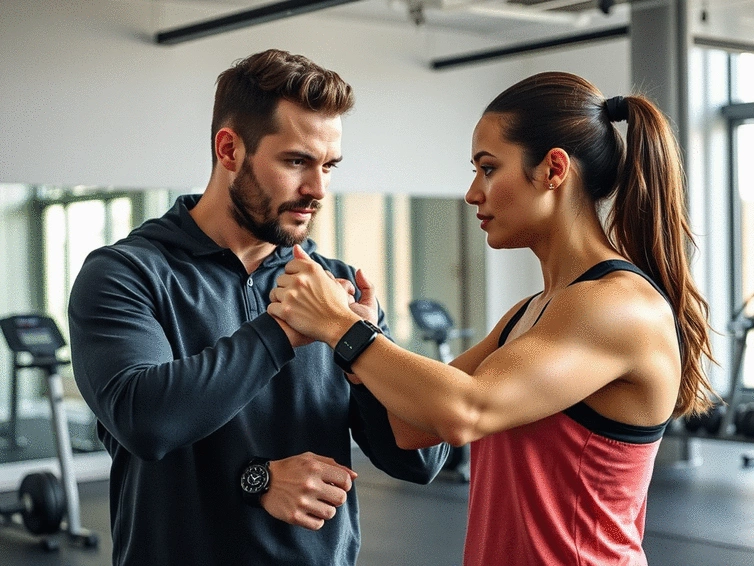
As technology reshapes the fitness landscape, understanding its implications is essential. Consider this: 70% of individuals who engage with personalized fitness solutions report higher satisfaction levels in their health journeys. This article delves into how AI and wearable technology are redefining fitness coaching.
This visual summarizes the integral role of AI and wearable technology in personalized fitness, highlighting key benefits and crucial considerations for a balanced approach.
AI tailors fitness experiences, creating custom workout plans and nutrition advice based on individual data and preferences.
Wearable technology provides immediate feedback on performance, sleep, and activity, making workouts more effective.
Prioritizing data privacy, user control, and inclusivity is crucial for fostering trust and a supportive fitness community.
Technology aids in setting realistic goals and community engagement provides motivation and support.
As a fitness enthusiast, I’ve seen firsthand how technology is transforming the way we approach our health journeys. Personalized fitness coaching has become more accessible and effective, thanks to advancements in AI and wearable tech. But what exactly does personalized fitness coaching mean, and how do these technologies play a role in it? Let’s dive in!
Personalized fitness coaching is all about tailoring the wellness experience to fit individual needs and goals. It goes beyond generic workout plans, focusing on what works best for you. This means considering your unique fitness level, preferences, and even your lifestyle. Imagine having a coach who understands that you prefer morning workouts and need flexibility due to your busy schedule—this is the essence of personalized coaching!
By using these tailored approaches, clients can achieve better results and stay motivated throughout their fitness journeys. It’s a game-changer and makes the path to health feel much more personal and achievable. Research published in the International Journal of Medical Research emphasizes that personalized fitness programs, particularly those leveraging technology, lead to higher user satisfaction and better outcomes.
Artificial Intelligence is revolutionizing how we think about fitness coaching. With AI, coaches can analyze vast amounts of data to provide insights that were previously unimaginable. For instance, an AI system can track your workouts, dietary habits, and even sleep patterns to create a comprehensive profile of your health.
This means that fitness programs can adapt in real time, ensuring that you are always challenged and engaged. It’s like having a personal trainer who works around the clock, constantly evolving your plan based on your progress and feedback!
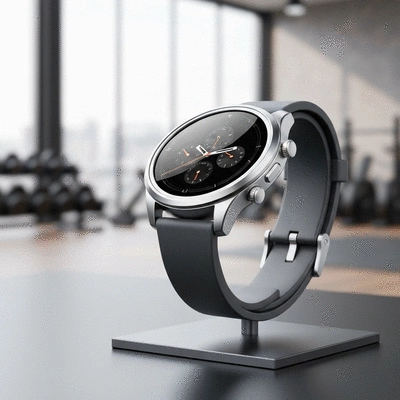
Machine learning, a subset of AI, takes things a step further by allowing systems to learn from data and improve over time. In personal training, this means that the more you interact with your fitness program, the smarter it gets. For example, if you consistently struggle with certain exercises, the machine learning model can identify this and adjust your regimen accordingly.
This technology empowers trainers and clients alike, making workouts more efficient and focused. As we embrace these innovations at iFit Magazine, it’s exciting to see how they enhance our understanding of fitness and well-being. The potential of AI in personal training to adapt and optimize exercise regimens is further supported by innovations like WURQ, a multimodal wearable device that uses AI to provide real-time feedback on workout intensity.
How do you feel about the integration of AI and wearable technology in your fitness journey? We'd love to hear your insights. Please share your thoughts below:
As we dive deeper into the world of AI and wearable technology in fitness coaching, it's essential to consider the ethical and accessibility concerns that come with these advancements. While technology can enhance our fitness journeys, it also raises questions about privacy, inclusivity, and the overall well-being of users. Let's explore these critical issues together!
One of the primary concerns revolves around data privacy. With wearable tech continuously collecting personal information, users must feel secure about how their data is being handled. It's vital for companies like iFit Magazine to advocate for robust data security measures and transparent policies to build trust with their audience.
When it comes to personalized fitness coaching powered by AI, privacy remains a top priority. Many users are understandably wary about sharing sensitive health information with devices that track biometrics. Here are some key aspects to consider:
By addressing these concerns, both fitness organizations and technology developers can create a more secure environment for users to engage with their fitness goals. The importance of transparent data practices and user control in health technology, including AI-powered coaching, is highlighted in research published by the National Center for Biotechnology Information, emphasizing the need for ethical considerations in digital health solutions.
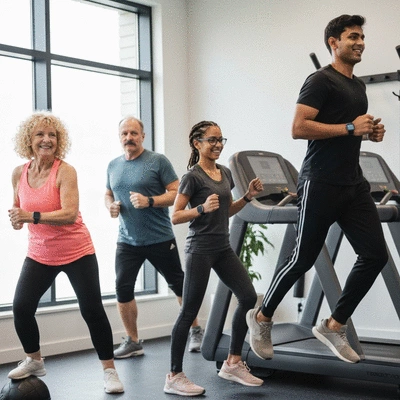
Inclusivity is another vital consideration in AI fitness coaching. As we aim to empower individuals across various demographics, it's crucial to design accessible solutions that cater to everyone. Here are some strategies to ensure inclusivity in fitness tech:
By embracing these strategies, companies can foster a supportive environment where everyone feels welcome and capable of achieving their health goals.
As technology continues to evolve, navigating the ethical landscape surrounding user data privacy becomes increasingly complex. It’s essential to establish a balance between leveraging data for personalized experiences and protecting user rights. Here are some ethical considerations:
As a community, we must push for regulations and practices that not only protect user data but also respect the individuals behind the numbers. At iFit Magazine, we strive to educate our readers on these issues, empowering them to make informed decisions in their fitness journeys.
In conclusion, the intersection of AI and wearable technology has the potential to transform personalized fitness coaching significantly. However, as we embrace these advancements, we must also be vigilant about the ethical and accessibility concerns that arise. For individuals seeking to enhance their well-being, understanding the implications of these technologies is just as crucial as the tools themselves.
Let's summarize some of the pivotal points regarding the impact of AI and wearable tech in fitness:
These takeaways highlight the importance of integrating technology thoughtfully into our fitness journeys.
Now that we've explored the ethical and accessibility landscape of AI in fitness, I encourage you to embrace the technology available today! Whether it's trying out a new fitness app or investing in a wearable device, these tools can bring you closer to your health goals. Remember, it’s not just about the technology itself but how you choose to use it in your journey toward a healthier life!
Finally, don't underestimate the power of community! Engaging with others who share similar fitness goals can provide the support and motivation needed to stay on track. From local workout groups to online forums, connecting with others can enhance your experience and keep you accountable. Together, we can create a vibrant fitness culture that celebrates individual journeys while leveraging technology to uplift us all!
Here is a quick recap of the important points discussed in the article:
Choosing the Right Fitness App
Choosing a fitness app can feel like a daunting task, especially with the plethora of options availa
Flavorful Low-Salt, Low-Sugar Recipes

What if reducing salt and sugar could not only enhance your health but also transform your culinary
Functional Fitness for Better Balance

Are you ready to transform your workout routine into something that truly benefits your everyday lif

Choosing the Right Fitness App
Flavorful Low-Salt, Low-Sugar Recipes
Functional Fitness for Better Balance
Family Fitness: Inspiring Success Stories
From Loss to Hope: Resilience