
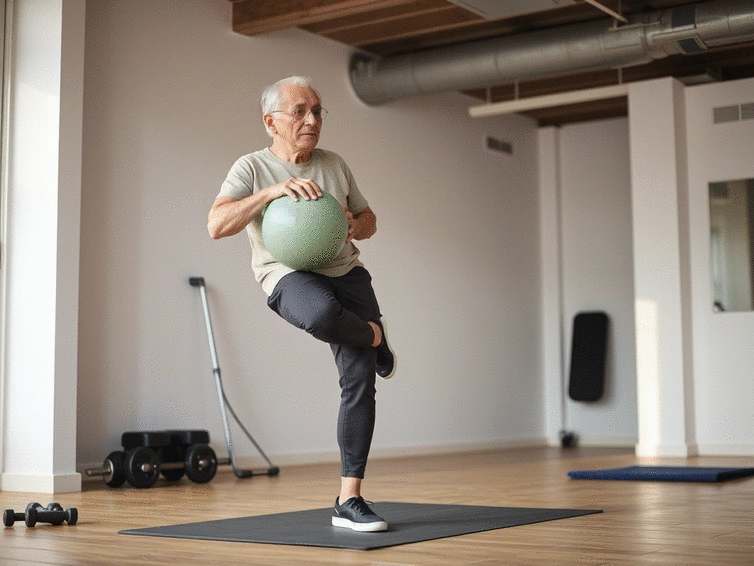
BALANCE & STABILITY
Prevents falls and injuries, especially with age. Ensures better movement control and overall efficiency in daily tasks.
Are you ready to transform your workout routine into something that truly benefits your everyday life? Functional fitness training focuses on real-world applications, making every exercise relevant to daily activities. Here’s what you’ll discover about this essential fitness approach.
Functional fitness training focuses on enhancing your body's ability to perform everyday activities by building fundamental physical attributes. Explore the key components below.
Prevents falls and injuries, especially with age. Ensures better movement control and overall efficiency in daily tasks.
Stabilizes the entire body, supports proper posture, reduces injury risk, and enhances performance in all activities.
Enables free and easy movement through full range of motion, reducing stiffness, and improving athletic performance.
Enhances physical capabilities, allowing you to maintain independence and enjoy activities for a longer, more active life.
Have you ever wondered what functional fitness training really means? It’s not just about lifting weights or running on a treadmill. Instead, it focuses on exercises that mimic everyday activities, improving your body’s ability to perform daily tasks. This type of training enhances your overall strength, flexibility, and endurance, making it crucial for people of all ages. At iFit Magazine, we believe understanding this concept is the first step towards embracing a healthier, more active lifestyle!
Essentially, functional fitness training is all about preparing your body for real-life situations. Think about the movements you do every day—lifting groceries, bending to tie your shoes, or playing with your kids. Functional fitness trains your muscles to work together, improving your balance and stability, which are foundational for a long, active life. For instance, a recent study published by the National Institutes of Health highlighted the significant impact of functional training on improving mobility and reducing fall risk in older adults.

Functional fitness training is about honing your body for practical, everyday tasks. This approach emphasizes movements that use multiple joints and muscle groups, enhancing your ability to move efficiently. Some key components of functional fitness include:
When we engage in functional fitness, we’re not just working out; we’re building the foundation for a healthier lifestyle, ensuring we can enjoy activities now and in the future!
Let’s take a moment to talk about why balance, stability, and longevity are essential. As we go through life, our bodies undergo changes that can affect our stability and balance. Here’s why prioritizing these elements through functional fitness is so vital:
Focusing on these aspects not only improves our daily life but also contributes to a better quality of living as we grow older. It’s about being able to enjoy every moment without limitations!
Core strength is often considered the backbone of functional fitness. A strong core stabilizes your entire body, enabling you to perform a variety of movements safely and efficiently. Here are a few reasons why core strength is crucial:
When we prioritize core exercises, we’re making a commitment to our entire physical health. I often remind my readers at iFit Magazine that a stronger core leads to a more confident and vibrant life!
Finally, let’s not overlook the importance of mobility and flexibility in functional fitness! These elements ensure that your body can move freely and easily through its range of motion. With improved mobility and flexibility, you can:
Incorporating stretching and mobility exercises into your routine is simple yet effective. As I frequently share with my community, it’s about taking small steps every day to feel great in your body! Let’s embrace a flexible, mobile lifestyle together!
How do you incorporate functional fitness into your daily routine? Share your personal tips or experiences below:
Here are some common questions about functional fitness training:
As we wrap up our exploration of functional fitness training, it's essential to highlight the significant benefits it offers. This approach to fitness isn't merely about lifting heavy weights or achieving aesthetic goals; it's about enhancing your overall quality of life. From improved balance and stability to increased longevity, functional fitness equips you with the tools needed to navigate daily life with confidence and strength.
Here are some key takeaways that illustrate how functional fitness can make a positive impact:
Incorporating functional fitness into your routine can lead to lasting improvements that go beyond the gym. It's about cultivating a lifestyle that prioritizes movement, resilience, and overall well-being. The journey of functional fitness can empower you to embrace each day with enthusiasm and strength!
Functional fitness is not just for the young or the athletic; it is truly for everyone! At iFit Magazine, we believe in the power of fitness to enhance lives at any stage. Whether you're a busy parent juggling responsibilities or a seasoned individual looking to maintain your independence, there are components of functional fitness that can support your goals.
Here are some compelling reasons to consider a functional fitness approach:
So, no matter where you are on your fitness journey, embracing functional fitness can create a pathway to a more active and fulfilling life. Let’s take the leap together!
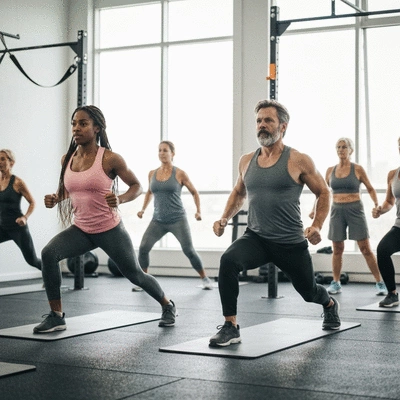
As you consider incorporating functional fitness into your life, it’s important to start with the right mindset and resources. Here are some next steps to help you embark on this exciting journey:
To kick off your journey, begin by assessing your current fitness level and identifying areas for improvement. You can start with simple exercises that focus on balance and coordination, gradually increasing intensity and complexity. If you're unsure where to start, I recommend reaching out to a personal trainer who specializes in functional fitness. The American College of Sports Medicine (ACSM) consistently highlights functional fitness as a top global trend, emphasizing its importance and accessibility.
Remember, the goal is to move with purpose and intention, building a strong foundation for all your activities!
At iFit Magazine, we understand that support can make all the difference in your fitness journey. Explore various resources, including online communities, local classes, or fitness apps that focus on functional training. Engaging with others can inspire and motivate you to stay committed to your goals! You can also find numerous ongoing clinical trials and studies that demonstrate the benefits of functional fitness, providing further motivation and insights.
Remember, you're never alone on this journey. Together, we can achieve more!
Functional assessments are vital to ensure you’re on the right track. These evaluations help identify your strengths and weaknesses, allowing for a personalized training plan. Whether you’re just starting out or looking to refine your approach, understanding your body’s unique needs is key.
Consider speaking with a fitness professional who can guide you through this process. They can help you create a tailored program that aligns with your specific goals, ensuring every workout counts.
By taking these steps, you’re setting yourself up for success on your functional fitness journey!
Here is a quick recap of the important points discussed in the article:
Choosing the Right Fitness App

Choosing a fitness app can feel like a daunting task, especially with the plethora of options availa
Flavorful Low-Salt, Low-Sugar Recipes

What if reducing salt and sugar could not only enhance your health but also transform your culinary
Functional Fitness for Better Balance
Are you ready to transform your workout routine into something that truly benefits your everyday lif

Choosing the Right Fitness App
Flavorful Low-Salt, Low-Sugar Recipes
Functional Fitness for Better Balance
Family Fitness: Inspiring Success Stories
From Loss to Hope: Resilience