
Intrinsic Motivators
Driven by internal rewards and satisfaction derived from the activity itself.
- Personal Satisfaction: Joy in exercise.
- Health Pursuit: Desire for well-being.
- Enjoyment: Finding pleasure in physical activity.
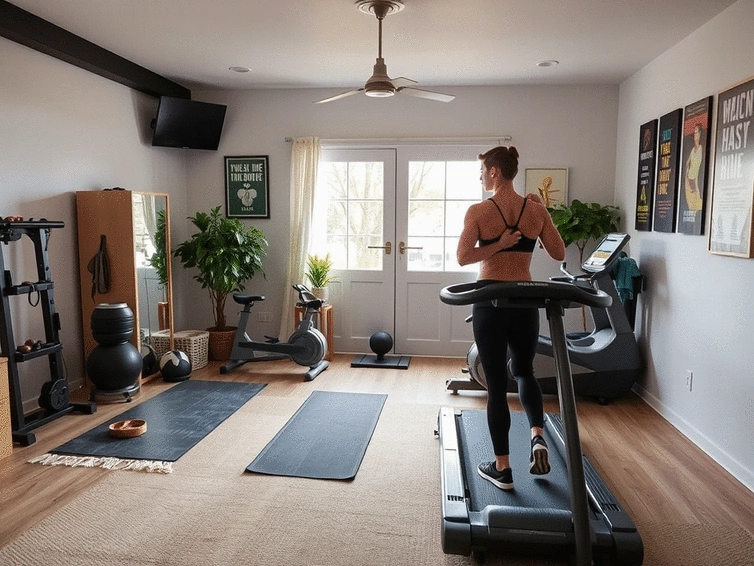
What drives your fitness routine? Understanding the science behind motivation can empower you to stay consistent and cultivate sustainable habits. Here are key insights to guide your journey!
This visual highlights the two core types of motivators in fitness—intrinsic and extrinsic—and their key characteristics, helping individuals identify what truly drives their consistency.
Driven by internal rewards and satisfaction derived from the activity itself.
Driven by external rewards, recognition, or tangible benefits.
Have you ever wondered why some people seem to stick with their fitness routines while others struggle to stay motivated? Understanding the science behind motivation can offer valuable insights into sustaining your fitness journey. At iFit Magazine, we believe that by exploring the psychological aspects of motivation, we can empower you to develop lasting habits.

Motivation plays a crucial role in shaping our fitness habits. It's not just about having the willpower to hit the gym; it encompasses various factors, such as personal goals, emotional states, and external influences. By understanding how these elements interact, you can better navigate your fitness journey and cultivate a routine that feels rewarding and fulfilling.
When it comes to fitness, motivation is not a one-size-fits-all concept. Different individuals may find inspiration in different places. For some, the excitement of trying new activities can spark enthusiasm. For others, a strong personal goal—like running a marathon—might serve as the driving force. The key is to discover what motivates you!
Recognizing these motivational factors can help you tailor your fitness approach to align with your unique preferences and aspirations. By tapping into what drives you, you're more likely to develop a sustainable routine that you genuinely look forward to.
Motivators can generally be categorized into two types: intrinsic and extrinsic. Understanding the difference can be a game changer for your fitness consistency. Intrinsic motivation comes from within; it’s about finding joy in the activity itself. On the other hand, extrinsic motivation is driven by external rewards, like recognition or tangible benefits.
Both types of motivators are essential, but relying heavily on extrinsic factors can lead to burnout. To create a more balanced approach, try to incorporate intrinsic elements into your routine. Ask yourself: What aspects of working out make me happy? By prioritizing intrinsic rewards, you can cultivate a deeper connection to your fitness journey. Further insights into how intrinsic motivation influences exercise behavior can be found in a study from Frontiers in Psychology.
Positive reinforcement plays a vital role in fostering motivation and helping you maintain your fitness routine. This technique involves rewarding yourself for achieving milestones, no matter how small. Celebrating your progress can boost your motivation, making it easier to stay committed!
By consistently acknowledging your efforts, you reinforce positive behaviors and create a cycle of motivation. Remember, each step forward, no matter how small, deserves recognition. This sense of accomplishment can propel you toward your larger fitness ambitions!

What motivates you most in your fitness journey? Is it the thrill of trying new workouts, the support from friends, or perhaps the satisfaction of reaching personal goals? Share your thoughts below:
As we wrap up our exploration of fitness motivation, it’s crucial to understand the science behind what drives us. Motivation isn't just a fleeting feeling; it’s the backbone of a successful fitness journey. By implementing the practical strategies we've discussed, you can lay a solid foundation for your long-term fitness success!
Reflecting on our journey, it’s clear that motivation plays a vital role in sticking to a fitness routine. Recognizing whether your motivators are intrinsic or extrinsic can help you harness them effectively. Remember, it’s all about creating a resilient mindset that can weather the ups and downs of fitness.
These elements work together to strengthen your commitment and create a sustainable fitness journey. By acknowledging the science behind motivation, you can navigate the challenges that come your way with renewed vigor!
Your path to a healthier life is ongoing, and I encourage you to apply the strategies we’ve discussed. Don’t hesitate to take action today! Perhaps you can set a new goal or start tracking your progress using one of the recommended methods. Remember, sharing your experiences on social media can build a support network that keeps you accountable and motivated.
Let’s inspire each other! Your commitment to fitness is not just about personal gains; it’s about creating a ripple effect that encourages others to follow suit. So, let’s get started on this journey together—your transformation awaits!
Here is a quick recap of the important points discussed in the article:
Choosing the Right Fitness App

Choosing a fitness app can feel like a daunting task, especially with the plethora of options availa
Flavorful Low-Salt, Low-Sugar Recipes

What if reducing salt and sugar could not only enhance your health but also transform your culinary
Functional Fitness for Better Balance

Are you ready to transform your workout routine into something that truly benefits your everyday lif

Choosing the Right Fitness App
Flavorful Low-Salt, Low-Sugar Recipes
Functional Fitness for Better Balance
Family Fitness: Inspiring Success Stories
From Loss to Hope: Resilience