
Health Impacts of Excess Salt
- Linked to Hypertension
- Increased risk of Heart Disease
- Contributes to Fluid Retention
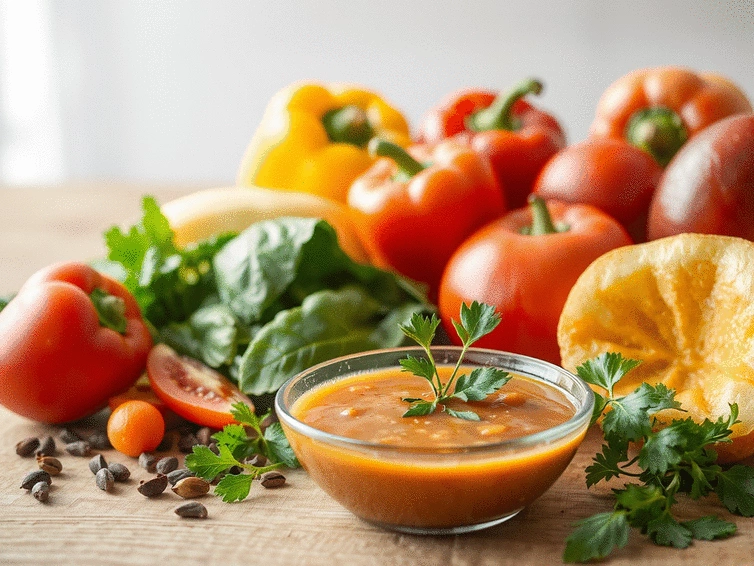
What if reducing salt and sugar could not only enhance your health but also transform your culinary experiences? By exploring flavorful alternatives, you can embark on a delicious journey towards better well-being!
Understanding the distinct health impacts of excessive salt and sugar consumption is crucial for informed dietary choices.
Reducing salt and sugar in our diets has become a vital conversation in the world of health and wellness. As a fitness enthusiast, I’ve seen firsthand how these two ingredients can sneak their way into even the healthiest meals, leading to negative health impacts. Understanding the importance of salt and sugar reduction is key to achieving lasting vitality and balance in our lives!
By focusing on a diet lower in salt and sugar, we can pave the way for a healthier lifestyle. It’s not just about cutting these out; it's about replacing them with flavors that nourish our bodies and satisfy our taste buds.
Excessive consumption of salt and sugar can lead to serious health issues. For instance, high salt intake is linked to hypertension, while sugar overload contributes to obesity and type 2 diabetes. Recognizing these risks empowers us to make informed choices about what we put into our bodies.
Many of us might not be aware of how much salt and sugar we consume daily. Did you know that processed foods often hide significant amounts of both? It's time to take a closer look at our eating habits and make adjustments that lead to better health.
As a wellness advocate, I’ve noticed a rising trend among consumers who are actively seeking low-sodium and low-sugar products without sacrificing flavor. This shift reflects a growing awareness of health and nutrition, encouraging brands to innovate and create delicious alternatives.
This consumer behavior not only promotes better health choices but also inspires food manufacturers to explore creative solutions that cater to our taste preferences while supporting our wellness journeys.
Nutrient density refers to the amount of essential nutrients in a food relative to its caloric content. When we focus on reducing salt and sugar, it’s crucial to maintain nutrient density by choosing whole, unprocessed foods. This means opting for items that are rich in vitamins, minerals, and other beneficial compounds that nourish our bodies.
By prioritizing nutrient-dense foods, we can create meals that are not only satisfying but also promote overall health. Think colorful fruits, vibrant vegetables, and whole grains as your allies on this journey!
Incorporating these foods into our diets ensures we're fueling our bodies with the right nutrients while reducing salt and sugar intake. It’s all about finding that perfect balance for a healthier, happier you!
Did you know that over 70% of consumers are actively looking for low-sodium and low-sugar options when grocery shopping? This growing awareness emphasizes the importance of making informed choices about our food. As you reduce salt and sugar in your diet, consider reading labels carefully and opting for products that prioritize health without compromising on flavor.
As we journey towards healthier eating habits, reducing salt and sugar doesn't have to mean sacrificing flavor. In fact, it can be an exciting opportunity to explore new tastes and ingredients! I encourage you to embrace this culinary adventure, experimenting with vibrant spices and fresh herbs that can elevate your meals without the need for added sodium or sugar.
Have you ever tried to swap out salt for a dash of garlic powder or a sprinkle of smoked paprika? These small changes can make a world of difference in your dishes! As a fitness enthusiast and wellness advocate, I find joy in discovering how various flavors can transform simple recipes into delightful culinary experiences. For more insights on healthier alternatives, you can explore resources on recipe substitutions during the holidays and effective salt substitutes.
Don't be afraid to get creative in the kitchen! Here are some simple ways to enhance the flavor of your meals while reducing salt and sugar:
By trying these suggestions, you might discover that you prefer the vibrant taste of your dishes without the extra salt and sugar! Let your palate be your guide, and don’t hesitate to share your creations with family and friends. It’s a wonderful way to connect and inspire others on their health journey.
Understanding various culinary techniques can significantly impact your ability to reduce salt and sugar in your meals. Techniques like grilling, steaming, and sautéing can help enhance the natural flavors of your ingredients, making them more enjoyable. For instance, grilling vegetables gives them a unique charred flavor that can make them a star on your plate! Research also highlights the positive impact of such dietary changes on cardiovascular health.
Here are a few culinary techniques that can help you maximize flavor:
These culinary strategies will not only keep your meals health-conscious but also enjoyable! Remember, at iFit Magazine, I’m dedicated to guiding you through this flavorful journey to a healthier lifestyle.
As we wrap up our discussion on reducing salt and sugar, I invite you to join our vibrant community! Sharing your experiences and favorite recipes can inspire others to embrace healthier cooking practices. Whether it’s a tasty low-sodium chili or a delightful low-sugar dessert, your input is invaluable. Let’s learn from one another and make our health journeys more enjoyable together!
If you found value in today’s insights and want to dive deeper into healthy cooking, don’t forget to subscribe to iFit Magazine! You’ll receive the latest recipes, tips, and expert advice delivered right to your inbox. Together, let’s continue exploring the flavorful world of health-conscious eating!
Here is a quick recap of the important points discussed in the article:
Choosing the Right Fitness App

Choosing a fitness app can feel like a daunting task, especially with the plethora of options availa
Flavorful Low-Salt, Low-Sugar Recipes

What if reducing salt and sugar could not only enhance your health but also transform your culinary
Functional Fitness for Better Balance

Are you ready to transform your workout routine into something that truly benefits your everyday lif

Choosing the Right Fitness App
Flavorful Low-Salt, Low-Sugar Recipes
Functional Fitness for Better Balance
Family Fitness: Inspiring Success Stories
From Loss to Hope: Resilience