
Long-Term Health Benefits
- ✓Reduced risk of chronic diseases
- ✓Improved mental health and mood
- ✓Increased longevity and quality of life
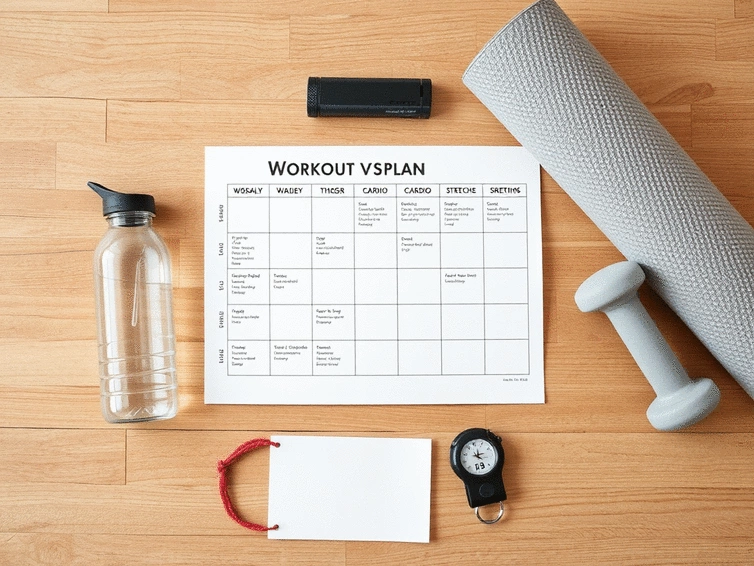
What if your workout routine could transform not just your body, but your overall well-being? By understanding the foundation of a balanced weekly workout plan, you can embark on a journey toward improved health and vitality!
This visual outlines the essential elements of a comprehensive fitness regimen and their corresponding health advantages.
When it comes to fitness, understanding the foundation of a balanced weekly workout plan is crucial for long-term success. Exercise is not just a short-term solution; it’s a commitment to your health and well-being. By incorporating regular physical activity into your routine, you can experience significant benefits such as reduced inflammation and sustained energy levels. This journey toward a healthier lifestyle is about more than just how you look; it's about how you feel! To learn more about building effective and impactful workouts, you can explore resources from The Whole U at the University of Washington.
Let's dive deeper into the connection between exercise and long-term health benefits. Consistent physical activity plays a vital role in reducing the risk of chronic diseases, improving mental clarity, and enhancing overall quality of life. Think about it: when we prioritize our health through regular workouts, we set ourselves up for a future filled with vitality and strength! For detailed insights into the benefits of regular physical activity on long-term health, consider this study on physical activity and health outcomes.

By valuing long-term health, we create a sustainable fitness journey rather than a quick fix. Remember, it's all about making choices today that will serve you well tomorrow!
A balanced workout plan comprises several essential elements that work together to enhance your fitness journey. Here are the key components to include:
Each of these components plays a unique role in ensuring that your workout plan is effective and enjoyable. Incorporating them into your routine helps to create a well-rounded approach to fitness that keeps you engaged and motivated.
Resistance training is a powerhouse when it comes to building strength and supporting muscle recovery. By challenging your muscles with weights or resistance bands, you stimulate growth and enhance your overall fitness. Here’s why it’s so important:
Incorporating resistance training into your weekly workout plan can significantly improve your results. As a fitness advocate, I’ve seen firsthand how dedicating time to strength training not only transforms physical appearance but also builds confidence and resilience!
Now that we’ve laid the foundation, it’s time to think about how to structure your weekly workouts in a way that fits your lifestyle and goals. Remember, a personalized approach is key to achieving lasting success!
Did you know? Incorporating a mix of workout styles not only keeps your routine fresh but also challenges your body in new ways. Try alternating between strength training, cardio, and flexibility exercises each week to engage different muscle groups and enhance overall fitness!
When it comes to your fitness journey, setting realistic expectations is crucial! Many of us dive into new workout routines with enthusiasm, but it’s important to recognize that progress takes time. Start by identifying what success looks like for you, whether it's improving strength, endurance, or simply feeling more energetic.
Here are a few tips to help you set achievable goals:
By keeping your expectations realistic, you’ll maintain a positive mindset and avoid burnout. Remember, fitness is a journey, not a sprint!
Reflection is key when it comes to maintaining a sustainable workout routine. It's essential to create a feedback loop that allows you to assess what works and what doesn’t. This way, you can make informed adjustments to your workout plan.
Here’s how you can effectively implement this feedback loop:
By regularly reflecting on your experiences, you can continuously improve your routine and keep things fresh and exciting!
Incorporating stability training and active recovery days into your routine can significantly enhance your overall performance. Stability exercises, such as planks and balance drills, not only build strength but also improve your body’s coordination.
Moreover, active recovery—like gentle yoga or leisurely walks—allows your body to recuperate while still promoting blood flow and flexibility. Here are some benefits of adding these elements:
Integrating these practices into your fitness plan creates a well-rounded approach that supports both physical and mental health.
Let’s talk about the powerful role of mindfulness and stress management in fitness. Many times, we push ourselves to the limit without considering our mental well-being. By practicing mindfulness techniques, such as meditation or deep breathing, we can cultivate a more balanced perspective on our fitness journey.
Here are some mindfulness practices you can incorporate:
When we prioritize mental health alongside physical fitness, we create a sustainable approach that fosters long-term motivation and well-being!
As you embark on your journey to a balanced weekly workout plan, remember that every step forward is a win! My hope is that you feel empowered to take action, whether it’s trying out a new workout, setting realistic goals, or simply recognizing the importance of self-care.

So, what are you waiting for? Let’s get started on this incredible journey together—your health and happiness deserve it!
Here is a quick recap of the important points discussed in the article:
Choosing the Right Fitness App

Choosing a fitness app can feel like a daunting task, especially with the plethora of options availa
Flavorful Low-Salt, Low-Sugar Recipes

What if reducing salt and sugar could not only enhance your health but also transform your culinary
Functional Fitness for Better Balance

Are you ready to transform your workout routine into something that truly benefits your everyday lif

Choosing the Right Fitness App
Flavorful Low-Salt, Low-Sugar Recipes
Functional Fitness for Better Balance
Family Fitness: Inspiring Success Stories
From Loss to Hope: Resilience