
Benefits of Low-Impact Exercise
- Joint Protection
- Improved Endurance
- Enhanced Flexibility
- Mental Well-Being

Are you aware that low-impact workouts can be just as effective as their high-impact counterparts, while being gentler on your joints? This approach to fitness not not only accommodates all ages but also fosters recovery and enhances overall well-being.
Low-impact workouts are defined by their joint-friendly nature and provide significant benefits for injury prevention, recovery, and mental well-being. They are suitable for all ages and fitness levels.
Have you ever wondered what exactly defines low-impact workouts? These exercises are designed to minimize stress on your joints while still delivering substantial fitness benefits. Whether you're recovering from an injury, managing arthritis, or simply looking for a gentler approach to fitness, low-impact workouts can be a game changer. They provide a way for people of all fitness levels to stay active without risking injury.
Low-impact workouts are characterized by movements that keep one foot on the ground or involve gentle transitions. You'll find activities like walking, cycling, swimming, and even yoga fall into this category. The best part? They can be both enjoyable and effective! By integrating these workouts into your routine, you pave the way for a healthier lifestyle.
At iFit Magazine, we believe that understanding what low-impact workouts entail is crucial for anyone considering them. These exercises usually promote cardiovascular health, strength, and flexibility while significantly reducing the risk of injury. Here are some key features:
Incorporating low-impact workouts can help you stay consistent and committed to your fitness journey. If you're looking for ways to enhance your well-being, this is a great place to start!
Low-impact exercises offer numerous benefits, especially in terms of injury prevention and recovery. By reducing stress on your body, these workouts help you stay active while allowing injuries to heal. Research highlights the effectiveness of low-impact exercises in improving physical function and reducing pain, particularly for older adults. Some advantages include:
These benefits make low-impact workouts ideal for individuals who may be recovering from surgery or managing chronic conditions. They allow you to regain strength and mobility safely!
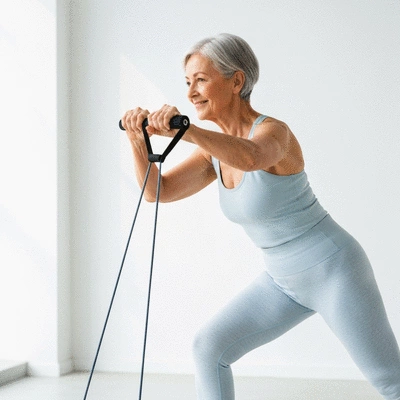
It's no secret that physical activity plays a crucial role in mental health. Low-impact workouts, in particular, can be incredibly beneficial for your mind. They allow you to engage in physical activity without the pressure that high-impact workouts can sometimes bring. Activities like yoga and mindful movement can significantly contribute to overall mental well-being. Engaging in these exercises can help:
Embracing low-impact workouts fosters a sense of balance, helping you cultivate mental resilience while achieving your fitness goals!
What is your favorite low-impact workout? Share your thoughts below:
A: Low-impact workouts are exercises designed to minimize stress on your joints by keeping at least one foot on the ground or involving gentle, fluid movements, unlike high-impact activities that involve jumping or running.
A: Low-impact workouts are suitable for everyone, including individuals recovering from injuries, those with joint conditions like arthritis, older adults, beginners, and anyone looking for a gentler yet effective way to stay active.
A: Yes, they are highly beneficial for injury recovery as they allow you to stay active and build strength without exacerbating existing injuries. They improve mobility, strengthen muscles, and enhance circulation, all of which aid in healing.
A: These workouts can significantly reduce stress, boost mood by releasing endorphins, and enhance mindfulness through focused, gentle movements, promoting overall mental resilience and a sense of balance.
A: Common examples include walking, cycling, swimming, yoga, Tai Chi, Pilates, water aerobics, and resistance band exercises. These can be adapted to suit various fitness levels and preferences.
At iFit Magazine, we believe that low-impact workouts are essential for everyone, regardless of age or fitness level. These exercises are gentle on the joints yet highly effective, making them a fantastic option for anyone looking to improve their health. Whether you're a seasoned athlete or just starting your fitness journey, integrating low-impact workouts can offer incredible benefits.
One of the main advantages of low-impact exercise is its ability to accommodate various fitness levels. It's all about finding the right fit for your body! If you're recovering from an injury or simply want a more sustainable approach to fitness, low-impact workouts can help you move with confidence.
Low-impact workouts are not just for those with injuries; they can also be a vital part of a comprehensive fitness routine for anyone. Here are some key reasons to embrace low-impact exercise:
By incorporating these workouts into your routine, you can pave the way for a healthier lifestyle while avoiding unnecessary stress on your body.
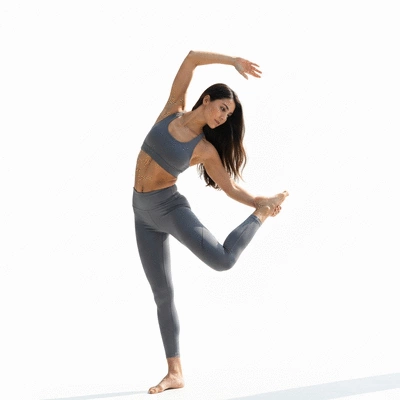
To ensure you're making the most out of your low-impact workouts, here are some vital points to keep in mind:
With these takeaways in mind, you can embark on a safe and enjoyable workout journey that emphasizes long-term health and well-being.
As we age, staying active becomes increasingly important. Low-impact workouts provide a perfect solution for older adults looking to maintain their strength and mobility. They can be easily tailored to meet individual fitness levels and needs. Research, such as that published in PMC, consistently supports the benefits of these exercises for improving physical function in older populations. Here are some effective low-impact exercises that seniors can incorporate:
By choosing appropriate low-impact activities, seniors can enhance their quality of life, boost their confidence, and enjoy a more active lifestyle. It’s all about celebrating the journey toward health, and I encourage you to explore options that feel right for you!
If you're ready to embrace the benefits of low-impact workouts, now is the perfect time to start! At iFit Magazine, we’re here to support you every step of the way.
Consider reaching out to local fitness centers or wellness coaches who specialize in low-impact exercise. They can provide valuable guidance tailored to your specific needs, ensuring you get the most out of your workouts.
To get started, try setting aside 20-30 minutes a few times a week for low-impact activities. Whether it’s a brisk walk, a gentle yoga class, or a swim, the key is to stay consistent and enjoy the process!
Don’t underestimate the power of community! Joining a group class can provide motivation and accountability. Plus, it’s a fantastic way to meet new people who share your interest in health and wellness. So why not sign up for a local class today? You might just find your new fitness family!
Here is a quick recap of the important points discussed in the article:
Choosing the Right Fitness App

Choosing a fitness app can feel like a daunting task, especially with the plethora of options availa
Flavorful Low-Salt, Low-Sugar Recipes

What if reducing salt and sugar could not only enhance your health but also transform your culinary
Functional Fitness for Better Balance
Are you ready to transform your workout routine into something that truly benefits your everyday lif

Choosing the Right Fitness App
Flavorful Low-Salt, Low-Sugar Recipes
Functional Fitness for Better Balance
Family Fitness: Inspiring Success Stories
From Loss to Hope: Resilience