
Quantitative vs. Qualitative Measures
- ✓ Quantitative: Weights lifted, distance run, calories burned.
- ★ Qualitative: How workouts make you feel, energy levels, mood.
- ⚡ Balance: Combine both for a holistic health view.
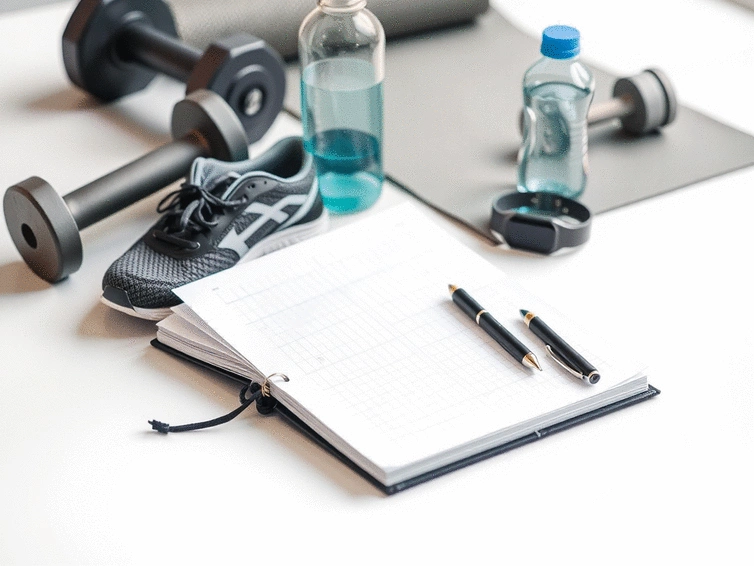
Start your journey towards better health by understanding the power of fitness progress tracking. With the right tools and strategies, you can elevate your fitness game and embrace a holistic approach to wellness.
Tracking your fitness journey involves a balanced approach, encompassing both quantitative metrics and qualitative feelings, supported by goal setting, tools, and accountability.
Have you ever felt like your fitness journey was a bit foggy? That’s where fitness progress tracking comes into play! Monitoring your progress isn't just about numbers; it’s about understanding your body, celebrating milestones, and making informed adjustments to your routine. At iFit Magazine, we believe that tracking your fitness metrics is essential for achieving lasting vitality.
When you track your fitness journey, you gain insights that help illuminate your path. Maybe you’re noticing how your strength has improved or how much longer you can run without feeling winded. These observations not only motivate you but also highlight the effectiveness of your efforts!
So, why does tracking your fitness metrics truly matter? For starters, it allows you to identify trends in your performance over time. You might discover that certain exercises yield better results, or perhaps you notice when your energy levels peak in relation to your workout timing. Here are a few reasons to consider:
By staying connected with your metrics, you empower yourself to make strategic decisions that align with your wellness goals. And remember, every little victory counts! Wearable technology devices, for example, have significantly advanced in their capability to track various health metrics, which can be a game-changer in understanding personal fitness trends and making data-driven decisions for your routine. This advancement is highlighted in a study on Trends in Wearable Fitness Technology and Their Impact on Health Monitoring by JMIR Publications.
While numbers are important, let's not forget the qualitative measures of our journey. A complete picture of your fitness progress includes both quantitative metrics (like weight or reps) and qualitative aspects such as how you feel or the energy you have throughout the day. By balancing these two, you can cultivate a more holistic view of your health.
Emphasis on both types of measures allows for a deeper understanding of your progress. Think of it as tuning into your body’s signals while also keeping an eye on the numbers! For instance, understanding the broader ACSM Fitness Trends can help you integrate various types of qualitative and quantitative fitness activities into your routine, ensuring a well-rounded approach.
Did you know? Incorporating a weekly review of your fitness metrics can significantly enhance your motivation and focus. Set aside time each week to analyze your progress, reflect on what’s working and what isn’t, and adjust your goals accordingly. This practice not only keeps you accountable but also helps you stay connected with your fitness journey!
We've covered a lot about the importance of tracking fitness progress, and it’s clear that establishing effective practices is essential for anyone on a wellness journey. As we recap, let’s emphasize the core elements that can elevate your experience. Tracking your progress is not just about numbers; it’s a holistic approach that includes both your achievements and the challenges you face.
Here are some key practices to keep in mind:
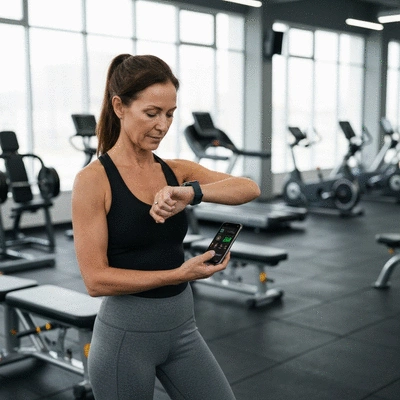
As a fitness enthusiast and wellness advocate, I’ve seen firsthand how these practices can transform a fitness journey. They keep you aligned with your goals and remind you to appreciate every step you take!
Setting goals is the foundation of a successful fitness journey. When you define what you want to achieve, you create a roadmap for success. But it’s not just about setting those goals; it’s about tracking them effectively. This is where tools come into play!
In my experience at iFit Magazine, I’ve seen how goal-setting and tracking tools empower individuals to truly embrace their health journeys. They provide clarity, motivation, and direction, making the process feel less overwhelming! The integration of digital health interventions, such as fitness apps and wearables, has been shown to significantly support physical activity and healthy eating, as evidenced by research on Digital Health Interventions for Promoting Physical Activity and Healthy Eating.
Having accountability partners can be a game-changer in your fitness journey. These are the people who cheer you on, challenge you, and help you stay committed to your goals. Whether it’s a friend, family member, or a community group, the support you receive can make a world of difference.
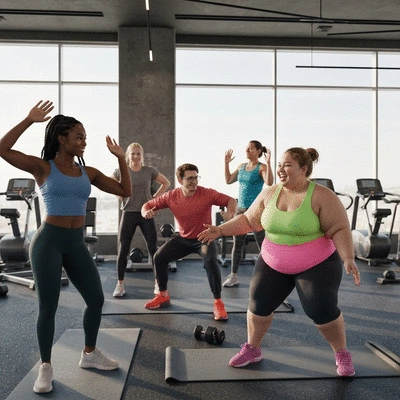
As I often say, “We rise by lifting others.” By surrounding yourself with supportive individuals, you’re not only more likely to stick to your goals but also to enjoy the journey along the way!
Now that you have a solid understanding of tracking your fitness progress, it's time to take action! Empowering yourself with the right tools and strategies will set you on a path to success.
To kickstart your journey, I invite you to download our free Progress Tracking Template. This handy resource is designed to help you set goals, monitor your progress, and reflect on your achievements. It’s a great way to organize your thoughts and stay motivated!
Lastly, consider joining our iFit Magazine community! Being part of a group that shares similar goals can provide the motivation and support you need. We’re all about uplifting each other and celebrating every milestone on the road to a healthier, stronger life. Let’s embark on this journey together!
Here is a quick recap of the important points discussed in the article:
Choosing the Right Fitness App

Choosing a fitness app can feel like a daunting task, especially with the plethora of options availa
Flavorful Low-Salt, Low-Sugar Recipes

What if reducing salt and sugar could not only enhance your health but also transform your culinary
Functional Fitness for Better Balance

Are you ready to transform your workout routine into something that truly benefits your everyday lif

Choosing the Right Fitness App
Flavorful Low-Salt, Low-Sugar Recipes
Functional Fitness for Better Balance
Family Fitness: Inspiring Success Stories
From Loss to Hope: Resilience