
Impact of Life Changes on Mental Health
- • New Job: Excitement & Anxiety
- • Moving: Loneliness
- • Parenthood: Joy & Stress
- • Relationship End: Grief & Sadness

Have you ever felt the weight of change pressing down on you? Life transitions, while often exciting, can lead to a cascade of emotions that may leave us feeling overwhelmed. Understanding these feelings is the first step toward better mental health during challenging times.
Life transitions can significantly impact mental well-being. Understanding these effects and adopting proactive strategies are crucial for maintaining mental health during periods of change.
Life transitions can be both exciting and daunting, often stirring a whirlwind of emotions within us. At iFit Magazine, we recognize that mental health plays a crucial role during these times of change. Understanding how significant life changes affect our mental well-being is the first step towards navigating them successfully. Whether it’s changing jobs, moving to a new city, or welcoming a new child, each transition brings its own set of challenges and emotional responses.
Before we dive deeper, consider this: Have you ever felt overwhelmed after a big life change? It’s completely normal! By acknowledging the impact of these transitions, we can begin to foster our emotional resilience and equip ourselves with the tools necessary for a smoother journey.
Life changes, no matter how positive they may seem, frequently come with emotional tolls that can be hard to manage. Here are some common life changes and their potential emotional impacts:
Understanding these emotional responses is vital. Embracing them can help you find the right strategies to cope and adapt. Research published in PMC highlights the profound impact of life transitions on mental health, emphasizing the importance of adaptive strategies.
As we navigate life transitions, recognizing the emotional toll they can take is essential. Transitions can create feelings of excitement, anxiety, and even fear. The key is to acknowledge these feelings without judgment. Allow yourself to feel—this is part of the process!

For instance, starting a new job might ignite excitement but also trigger self-doubt. It’s important to remember that feeling overwhelmed is a natural response, and you're not alone in this.
When faced with stress during significant life changes, it’s beneficial to adopt effective management techniques. Implementing relaxation strategies such as deep breathing, meditation, or even a light workout can make a difference. Here are some practical stress management strategies:
By actively managing your stress, you not only protect your mental health but also enhance your adaptability to new circumstances. Further insights into stress management techniques for various life stages can be found in this study on stress-related responses.
Emotional resilience is like a muscle; the more we work on it, the stronger it becomes. During transitions, cultivating this resilience is essential for successfully navigating the ups and downs. Think of emotional resilience as your safety net—it cushions you when life gets bumpy!
Building resilience can involve various practices, such as maintaining a positive outlook, seeking support from friends and family, and engaging in self-care activities. Remember, it's okay to lean on others, and asking for help is a sign of strength, not weakness. This concept is further explored in research on psychological flexibility and resilience.
Taking care of yourself during challenging times is crucial. Self-care isn’t just a buzzword; it’s an essential practice for maintaining mental health. At iFit Magazine, we encourage readers to embrace self-care strategies that resonate with them. Let's explore some daily habits that can enhance resilience!
When navigating significant life transitions, remember to practice self-compassion. Acknowledge that it’s okay to feel a range of emotions, from excitement to anxiety. Incorporate mindfulness techniques, like journaling or meditation, into your daily routine to foster emotional clarity and resilience during these changes.
When it comes to mental health, especially during significant life transitions, implementing long-term strategies can be a game-changer! At iFit Magazine, we believe that fostering resilience is just as important as addressing immediate challenges. By developing a personalized mental health toolkit, you can equip yourself to navigate life's ups and downs with greater ease.
Creating a mental health toolkit is about finding what works best for you. This can include a variety of resources and practices that support your mental wellbeing over time. Here are some essential components to consider:
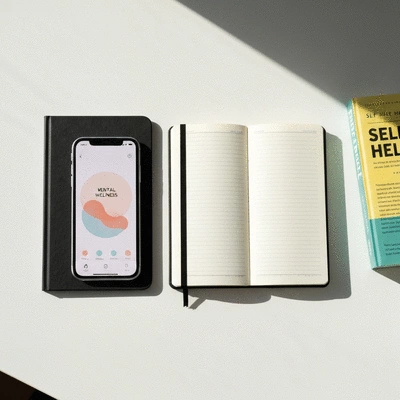
Incorporating these tools into your daily routine will not only help you manage stress but also promote a more balanced mental state in the long run. Remember, it’s about finding what feels right for you!
With technology at our fingertips, there’s no shortage of apps and tools designed to support mental health. Here are a few that I find particularly helpful:
Incorporating these tools into your life can make a significant difference in how you handle stress and maintain mental wellness.
Establishing daily routines is a powerful way to build resilience. Consider including activities that engage your mind and body, such as:
By making these practices a habit, you’ll create a stable foundation that supports your mental health through life’s transitions.
Relaxation techniques are vital for managing stress effectively. Here are a few methods you might want to try:
Finding time for these relaxation techniques can significantly enhance your ability to cope with stress and foster a sense of peace in your life.
Now that you have some tools and strategies for long-term mental health, it's time to take action! Creating a plan to manage future life changes will empower you to respond proactively, rather than reactively, when transitions arise.
Having a plan in place can make all the difference. Here’s how you can set up a roadmap for your mental wellness:
By mapping out your strategy, you create a safety net that can catch you when life throws those curveballs!
To further empower yourself, setting specific goals is essential for growth. Here are some ideas to consider:
Goals not only provide direction but also enhance your sense of accomplishment as you see yourself moving forward!
Journaling is a wonderful way to process thoughts and emotions! It can serve as a mirror to your mental state and help you identify patterns over time. Consider these journaling prompts to kickstart your practice:
Use this as a space to explore your feelings and document your journey toward mental wellness.
Life changes can bring a mix of emotions, including excitement, anxiety, loneliness, stress, grief, and sadness. Even positive changes can have an emotional toll.
Effective stress management strategies include practicing mindfulness (meditation, yoga), establishing predictable routines, and taking regular breaks to recharge your mental energy.
Emotional resilience is the ability to adapt well in the face of adversity, trauma, tragedy, threats, or significant sources of stress. It's important because it helps you navigate life's ups and downs more smoothly, acting as a safety net during challenging times.
A mental health toolkit can include various resources such as mental health apps (e.g., Headspace, Calm), journaling tools, and self-help books. It's about finding what works best for your ongoing well-being.
To plan for future changes, identify potential stressors, set achievable goals related to your mental health, and develop coping mechanisms that you can activate during stressful times. This proactive approach helps you respond effectively rather than reactively.
Continuing your education on mental health can be incredibly beneficial. Here are some resources that I recommend:
There are countless resources available to help you expand your understanding of mental health. Here are some of my favorites:
Utilizing these resources can deepen your knowledge and equip you with tools to enhance your mental health journey.
Sometimes, we need additional support, and that’s perfectly okay! Life coaching and professional counseling can offer valuable insights and tools. Here are some benefits:
Consider these options if you're looking for more structured support in your mental health journey.
Your journey toward mental wellness is just beginning! I encourage you to reflect on these strategies and see how they resonate with you. Remember, mental health is a continuous journey, not a destination.
Let’s keep the conversation going! I invite you to share your experiences and strategies in the comments below. What has worked for you during life transitions? Your insights could be the encouragement someone else needs!
Your voice matters! Engaging in dialogue about mental health can foster community and support. I look forward to hearing from you and building a supportive network together!
Here is a quick recap of the important points discussed in the article:
Choosing the Right Fitness App

Choosing a fitness app can feel like a daunting task, especially with the plethora of options availa
Flavorful Low-Salt, Low-Sugar Recipes

What if reducing salt and sugar could not only enhance your health but also transform your culinary
Functional Fitness for Better Balance

Are you ready to transform your workout routine into something that truly benefits your everyday lif

Choosing the Right Fitness App
Flavorful Low-Salt, Low-Sugar Recipes
Functional Fitness for Better Balance
Family Fitness: Inspiring Success Stories
From Loss to Hope: Resilience