Welcome to iFit Magazine. We empower your journey to a healthier, stronger life with expert insights in fitness, nutrition, and wellness. Explore and be inspired!
Stress and burnout often intertwine, yet understanding their differences is crucial for maintaining wellness. Did you realize that managing stress effectively can significantly enhance your overall quality of life? Let's delve into the essential insights on navigating these challenges.
What You Will Learn
Stress is typically short-term and linked to specific challenges, while burnout is a prolonged state of emotional and physical exhaustion.
Recognizing symptoms is key: stress may cause anxiety, while burnout can lead to feelings of hopelessness and detachment.
Physical manifestations of stress can include headaches, fatigue, and sleep disturbances, impacting your daily life significantly.
Access to mental health resources, such as therapy and wellness workshops, is crucial for effective stress management and preventing burnout.
Mindfulness and meditation practices can be transformative, offering techniques to create calm and enhance overall well-being.
Incorporating yoga into your routine promotes relaxation and mental clarity, further aiding in stress reduction.
Stress vs. Burnout: Key Differences and Effects
Understanding the distinctions between stress and burnout, and their impacts on well-being.
Stress: A Temporary Response
Duration: Often short-term, situational.
Source: Specific challenges or pressures.
Symptoms: Anxiety, irritability.
Manageable
Burnout: Chronic Exhaustion
Duration: Prolonged, long-lasting.
Source: Unrelieved chronic stress.
Symptoms: Hopelessness, detachment.
Critical
Physical Effects of Stress
Mental Health Issues (anxiety, depression)
Physical Symptoms (headaches, fatigue)
Behavioral Changes (appetite, sleep)
Impactful
Mental Health Resources
Seek Professional Help (Therapy)
Participate in Workshops (Wellness programs)
Utilize Online Resources (Meditation apps)
Support Systems
Understanding Stress and Burnout: Their Impact on Daily Life
As someone who is deeply passionate about wellness, I understand that the terms stress and burnout often get tossed around in our conversations about health. But do we truly grasp what they mean and how they can affect our daily lives? Let’s explore this together!
Stress can be defined as the body's response to demands or challenges, while burnout is a state of chronic stress that leads to physical and emotional exhaustion. Recognizing the differences between these two states is crucial for managing our well-being effectively. Stress can be a temporary feeling, something we experience in specific situations, but burnout is more like a heavy blanket that can stifle our motivation and joy over time.
Defining Stress and Burnout: Key Differences
Understanding the nuances between stress and burnout is vital for anyone looking to cultivate a healthier life. Here are some key differences:
Duration: Stress is often short-term, while burnout can last much longer.
Source: Stress typically arises from specific challenges or pressures, whereas burnout is often the result of prolonged stress without adequate relief.
Symptoms: Stress might cause feelings of anxiety or irritability, while burnout can lead to feelings of hopelessness and detachment from work or personal interests.
By recognizing these differences, we can better identify our feelings and take necessary steps to address them. When was the last time you stopped to assess your stress levels? It might be a helpful exercise!
The Psychological and Physical Effects of Stress
Stress doesn’t just impact our mental state; it can manifest physically too! When we're under stress, our body releases hormones like cortisol, which can lead to various health issues if not managed appropriately. For more information on common conditions, the CDC provides extensive resources on mental health. Here are some common effects:
Mental Health Issues: Increased anxiety, depression, or irritability.
Physical Symptoms: Headaches, fatigue, and even digestive problems.
Behavioral Changes: Changes in appetite, sleep disturbances, or withdrawal from social interactions.
It’s essential to understand that these effects are not just minor inconveniences but can significantly impact our quality of life. That's why at iFit Magazine, we emphasize the importance of addressing stress and burnout head-on!
The Influence of Mental Health Resources on Managing Stress
Access to mental health resources can greatly affect how we handle stress in our lives. Whether it’s through therapy, support groups, or wellness workshops, these resources provide essential tools for coping. For helpful tips on coping with stress, consider exploring stress relievers suggested by the Mayo Clinic. Here’s how to leverage them:
Seek Professional Help: Don't hesitate to reach out to a therapist if you feel overwhelmed.
Participate in Workshops: Engaging in community wellness programs can provide valuable coping strategies.
Utilize Online Resources: There are numerous apps and websites that offer guided meditation and stress management tips.
By utilizing these mental health resources, you can create a solid foundation for managing stress and preventing burnout. Trust me; taking that first step can lead to significant improvements in your overall well-being!
We Want to Hear From You!
How do you currently manage stress in your daily life? Share your favorite techniques or practices that help you stay calm and centered:
Mindfulness and Meditation Techniques for Stress Management
When life feels overwhelming, practicing mindfulness and meditation can be transformative. These techniques not only help in managing stress but also enhance your overall well-being. By incorporating mindfulness into your daily routine, you can create a calm space that allows you to navigate challenges more effectively. Let’s explore some effective methods to cultivate this peaceful mindset!
Practicing Mindfulness Meditation for Daily Calm
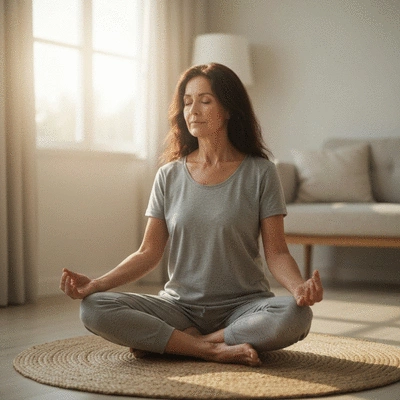
Mindfulness meditation is about being present in the moment without judgment. Start by dedicating just a few minutes each day to sit quietly and focus on your breath. Here are some steps to get you started:
Find a comfortable seated position in a quiet place.
Close your eyes and take a few deep breaths, letting your body relax.
Focus on your breath—notice the rhythm as you inhale and exhale.
When your mind wanders, gently redirect your attention back to your breath.
By practicing this daily, you’ll not only feel more centered but also be better equipped to handle stressors that come your way!
Deep Breathing Exercises: Simple Techniques to Relieve Tension
Deep breathing is a quick and effective way to reduce tension. It activates your body's relaxation response, helping you feel calmer almost immediately. Try these simple techniques:
4-7-8 Breathing: Inhale for 4 seconds, hold for 7 seconds, and exhale for 8 seconds.
Box Breathing: Inhale for 4 seconds, hold for 4 seconds, exhale for 4 seconds, and hold again for 4 seconds.
Diaphragmatic Breathing: Place one hand on your chest and the other on your stomach. Breathe deeply through your nose, ensuring your stomach rises more than your chest.
Integrating these exercises into your day can significantly lower stress levels, making you feel more in control.
Progressive Muscle Relaxation: A Step-by-Step Approach
Progressive muscle relaxation (PMR) is a technique that helps you release tension throughout your body. It involves tensing and then relaxing different muscle groups. Follow these steps to practice PMR:
Begin at your toes—tense the muscles for five seconds, then relax.
Move up to your calves, thighs, and so on, until you reach your head.
As you tense each muscle group, focus on the difference between tension and relaxation.
This technique not only reduces physical tension but also promotes a sense of mental calm, allowing you to unwind effectively.
Incorporating Yoga into Your Stress Management Routine
Yoga is a wonderful practice that combines physical movement with mindfulness, making it an excellent tool for stress management. Research highlights the positive impact of yoga on reducing stress. Consider these tips for incorporating yoga into your routine:
Start with a short daily practice—just 10-15 minutes can make a difference.
Explore various styles, such as Hatha, Vinyasa, or Yin, to find what resonates with you.
Focus on poses that promote relaxation, like Child’s Pose, Forward Fold, and Savasana.
By integrating yoga into your life, you can enhance your flexibility, strength, and mental clarity, all while reducing stress!
Frequently Asked Questions (FAQs)
What is the main difference between stress and burnout?
Stress is typically a short-term response to specific demands, often temporary, while burnout is a prolonged state of physical and emotional exhaustion resulting from chronic, unmanaged stress.
How does stress physically affect the body?
Stress can manifest physically through symptoms like headaches, persistent fatigue, digestive issues, and sleep disturbances, among others.
What are some effective mental health resources for managing stress?
Effective mental health resources include professional therapy, participating in community wellness workshops, and utilizing online resources such as meditation apps and guided exercises.
Can mindfulness and meditation truly help with stress management?
Yes, mindfulness and meditation are powerful tools. They help by teaching you to be present, focus on your breath, and observe your thoughts without judgment, which can significantly reduce stress and improve overall well-being.
How can yoga aid in stress reduction?
Yoga combines physical postures, breathing exercises, and meditation, which collectively help improve flexibility, strength, and mental clarity, leading to a reduction in stress and an enhanced sense of calm.
Recap of Key Points
Here is a quick recap of the important points discussed in the article:
Understand the Differences: Stress is typically short-term and arises from specific challenges, while burnout is chronic and results from prolonged stress without relief.
Physical and Mental Effects: Stress can lead to mental health issues like anxiety and depression, as well as physical symptoms such as headaches and fatigue.
Leverage Mental Health Resources: Seeking professional help and participating in wellness workshops can provide essential coping strategies for managing stress.
Practice Mindfulness and Meditation: Techniques like mindfulness meditation and deep breathing exercises can significantly reduce tension and improve overall well-being.
Incorporate Yoga: Engaging in regular yoga practice can enhance flexibility, strength, and mental clarity, serving as a valuable tool for stress management.
At iFit Magazine, we are committed to delivering expert insights, practical advice, and motivational stories. Our mission is to inspire, empower, and guide individuals on their journey to a healthier, stronger life through fitness, nutrition, and personal wellness.






Choosing the Right Fitness App
Flavorful Low-Salt, Low-Sugar Recipes
Functional Fitness for Better Balance
Family Fitness: Inspiring Success Stories
From Loss to Hope: Resilience