
Protein
Essential for muscle repair and growth; lean sources like chicken, fish, beans, and tofu.
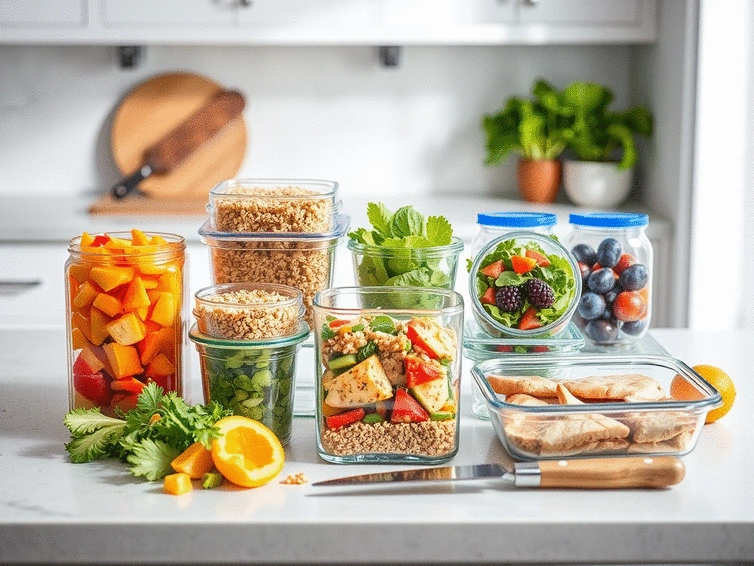
Have you ever felt overwhelmed trying to ensure your meals are both nutritious and enjoyable? Let’s simplify that journey! By understanding balanced nutrition, meal prep can transform from a chore into a delightful routine that fuels your body.
Understanding the essential building blocks of a nutritious meal is crucial for effective meal prepping. Here's a breakdown of the core components.
Essential for muscle repair and growth; lean sources like chicken, fish, beans, and tofu.
Body's main energy source; prioritize whole grains, fruits, and vegetables.
Important for brain health and hormone production; include avocados, nuts, and olive oil.
Supports digestion and helps maintain fullness; incorporate plenty of vegetables, legumes, and whole grains.
When it comes to meal prep, understanding balanced nutrition is key to fueling our bodies effectively. Whether you're preparing meals for yourself or your family, knowing how to create meals that include the right components can make a world of difference. At iFit Magazine, we believe that meal prepping should not only be about convenience but also about nourishing your body with the nutrients it needs to thrive.
So, what does balanced nutrition mean for meal preparers? It’s all about incorporating a variety of food groups that work together to support your health. This means understanding the roles of macronutrients—proteins, carbohydrates, and fats—as well as vital micronutrients like vitamins and minerals. Let’s dive into the essentials!
Before we jump into meal prep strategies, it’s important to grasp the concept of balanced nutrition. This means creating meals that include a mix of protein, carbohydrates, healthy fats, and fiber. By focusing on these components, you can better support your body's energy needs while promoting overall health.
By balancing these key components, you set the stage for meals that not only taste great but also keep you feeling energized and satisfied throughout the day.

Visualizing what a balanced plate looks like can make meal prep much easier. Think of your plate as divided into sections. Ideally, half should be filled with fruits and vegetables, a quarter with lean protein, and the remaining quarter with healthy carbohydrates. This simple guide helps ensure that you’re not just filling your plate but actually nourishing your body!
Next time you're assembling a meal, take a moment to check if you’re following this visual guide. It can help streamline your choices and enhance your meal prep experience.
Aligning your meal prep with your nutritional goals might seem daunting, but with a little structure, it becomes second nature. Setting specific nutritional goals can steer your meal prep process. For instance, if you're looking to increase your protein intake, you might focus on incorporating more beans or chicken into your meals. For additional guidance on meal planning, you can explore resources from Colorado State University Extension.
These steps will help you stay accountable and ensure that your meal prep aligns with your health goals. Remember, consistency is key!
Once you understand your goals, brainstorming meal ideas becomes much easier! Start by gathering recipes that fit within your balanced nutrition framework. I often recommend creating a list of go-to meals that include all the major components we discussed. This will save you time during your weekly prep sessions and make it easier to stick to your goals.
Incorporating these nutrient-dense foods into your meal prep will not only enhance flavors but also boost the overall nutritional quality of your meals. At iFit Magazine, I encourage you to experiment with different combinations to keep things exciting! For more insights into the benefits of meal prepping and how to maintain a healthy diet, Harvard T.H. Chan School of Public Health offers valuable information on meal prepping for healthy eating.
To elevate your meal prep game, consider batch cooking your proteins and grains at the beginning of the week. This not only saves time but also ensures you have healthy bases ready to mix and match with various vegetables and sauces, keeping your meals exciting and nutritionally balanced!
A balanced meal should include a mix of protein (like chicken, fish, beans, tofu), carbohydrates (whole grains, fruits, vegetables), healthy fats (avocados, nuts, olive oil), and fiber (vegetables, legumes, whole grains).
Imagine your plate divided: half filled with fruits and vegetables, a quarter with lean protein, and the remaining quarter with healthy carbohydrates. This visual guide helps ensure you're getting a good mix of nutrients.
Using measuring cups or a food scale can help ensure accurate portion sizes. Additionally, setting daily targets for macronutrients (protein, carbs, fats) based on your lifestyle and fitness goals can guide your intake.
Incorporate variety by rotating ingredients, experimenting with different spices and herbs, and trying themed meal weeks (e.g., "Taco Tuesday," "Meatless Monday"). This keeps meals exciting and ensures a diverse nutrient intake.
Mindful eating involves being present and fully engaged with your food. This means savoring each bite, limiting distractions during meals, and paying attention to your body's hunger and fullness cues. It enhances enjoyment by fostering a deeper appreciation for your food and its nourishment.
When we think about meal prep, it's not just about cooking in advance; it's about making sure we're fueling our bodies with the right nutrients! A well-rounded diet is crucial for maintaining energy levels and overall health. In this section, I’ll share some simple checks and practices that can help you ensure your meals are nutritionally balanced and enjoyable. For further reading on the psychological benefits of meal planning and healthy eating, you can refer to relevant studies such as those published in PMC NCBI.
Assessing each meal for its nutritional value can feel overwhelming, but it doesn’t have to be! By following a few straightforward guidelines, you can easily gauge the balance of your meals. Here’s how:
By following these checks, you can create meals that not only taste great but also support your health goals! If you ever feel stuck, remember to refer back to these guidelines as your meal prep mantra.
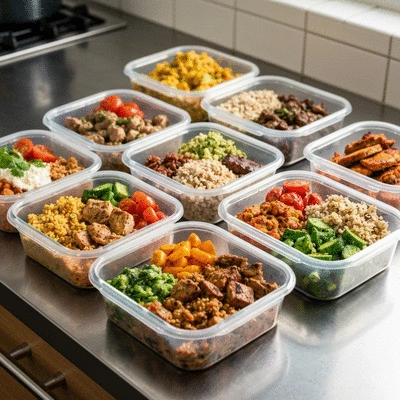
Have you ever found yourself feeling bored with your meals? That’s a common challenge, but it can easily be overcome by incorporating variety into your meal prep! Here are some fun ways to keep things fresh:
By mixing it up, you’ll not only enjoy your meals more but also ensure that your body gets a diverse array of nutrients—essential for long-term health and vitality!
Mindful eating is all about being present and truly enjoying your food. This practice can enhance your meal experience and help you appreciate the nourishment you’re providing your body. Here are a few tips for mindful eating:
Integrating these practices into your meal prep routine can transform the way you view food—making it not just fuel, but a source of enjoyment and satisfaction. So, let's make meal time a delightful experience!
Are you ready to take the plunge into meal prep? With the right tools and a little inspiration, you can make meal prepping an enjoyable and effective part of your routine. Let's dive into some resources that can help you get started!
Having the right resources makes all the difference in your meal prep journey. Here are a couple of handy tools that I recommend:
These tools can streamline your planning process, making it easier to stay on track with your nutritional goals. Plus, it adds a fun element to your meal prep!
One of the best ways to stay motivated is to connect with others on a similar journey. Joining a meal prep community can provide you with endless inspiration and support! Here’s how you can find your tribe:
By sharing your experiences and learning from others, you’ll stay motivated and energized on your meal prep journey. Together, we can embrace a healthier lifestyle!
Here is a quick recap of the important points discussed in the article:
Choosing the Right Fitness App

Choosing a fitness app can feel like a daunting task, especially with the plethora of options availa
Flavorful Low-Salt, Low-Sugar Recipes

What if reducing salt and sugar could not only enhance your health but also transform your culinary
Functional Fitness for Better Balance

Are you ready to transform your workout routine into something that truly benefits your everyday lif

Choosing the Right Fitness App
Flavorful Low-Salt, Low-Sugar Recipes
Functional Fitness for Better Balance
Family Fitness: Inspiring Success Stories
From Loss to Hope: Resilience