
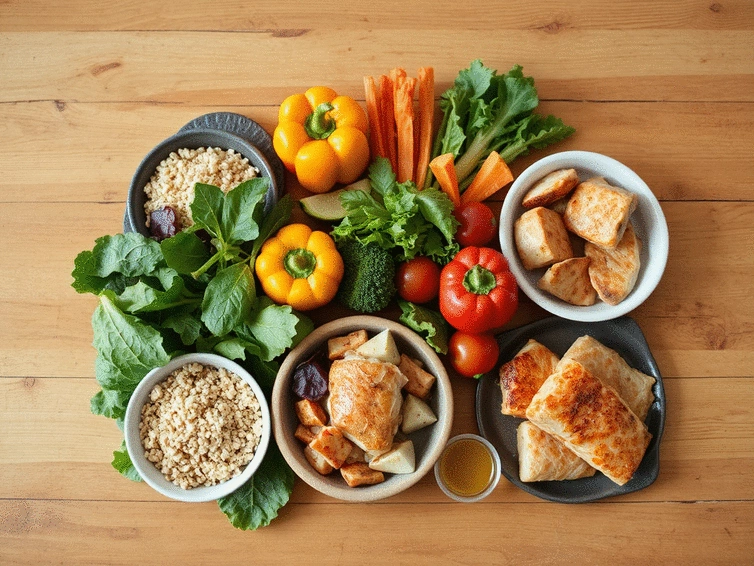
GLP-1 Diet: Foods to Choose
Have you ever wondered how medications like GLP-1 can transform your approach to diet and wellness? The power of these medications lies not just in their chemical composition, but in how they can enhance our understanding of nutrition and appetite control.
What You Will Learn
- GLP-1 medications, such as Semaglutide and Liraglutide, help regulate appetite and insulin levels, aiding in weight management and diabetes control.
- These medications work by increasing insulin secretion, decreasing glucagon release, and slowing gastric emptying, making you feel fuller longer.
- Incorporating a balanced diet rich in whole foods, hydration, and portion control can enhance the effectiveness of GLP-1 treatments.
- Understanding the differences between Semaglutide (weekly) and Liraglutide (daily) can help you make informed decisions about your treatment plan.
- Personalizing your dietary approach based on how your body responds to food can lead to greater satisfaction and adherence to a GLP-1 friendly lifestyle.
- Utilizing meal planning tools and connecting with supportive communities can significantly improve your journey towards a healthier diet.
GLP-1 Medications: Understanding Their Impact on Diet
This visual summarizes the key functions of GLP-1 receptor agonists and highlights the dietary strategies that support their effectiveness, offering a clear guide to maximizing treatment benefits.
How GLP-1 Receptor Agonists Work
- Increased Insulin Secretion: Stimulates pancreas when blood sugar rises.
- Decreased Glucagon Release: Helps lower blood sugar levels.
- Slowed Gastric Emptying: Delays stomach emptying for prolonged satiety.
Key Dietary Strategies for Support
- Emphasize Whole Foods: Fruits, vegetables, and whole grains for nutrients.
- Stay Hydrated: Crucial for overall health and digestion.
- Monitor Portion Sizes: Align eating with treatment goals.
Understanding GLP-1 Medications and Their Impact on Diet
As someone who's passionate about wellness and nutrition, I find the discussion around GLP-1 medications particularly fascinating. These medications, such as Semaglutide and Liraglutide, play a crucial role in managing weight and diabetes by mimicking the effects of a natural hormone that regulates appetite and insulin. Understanding how these medications work can help us make informed decisions about our dietary choices and overall health journey, as detailed by Nature Reviews Endocrinology.
GLP-1 receptor agonists work by stimulating insulin secretion in response to meals while also slowing down gastric emptying and reducing appetite. This means that they can help you feel fuller for longer, which can be incredibly beneficial in supporting weight loss efforts. If you're considering incorporating these medications into your routine, it's essential to understand their interaction with food and nutrition, a topic often explored by organizations like the National Institutes of Health (NIH).

How GLP-1 Receptor Agonists Work in the Body
These medications effectively lower blood sugar levels by enhancing insulin production and promoting a balanced metabolism. Here's a breakdown of their primary functions:
- Increased Insulin Secretion: GLP-1 medications stimulate the pancreas to release insulin when blood sugar levels rise.
- Decreased Glucagon Release: They inhibit glucagon, which helps to lower blood sugar levels.
- Slowed Gastric Emptying: By delaying stomach emptying, they help you feel satisfied longer after eating.
Each of these actions contributes to better glucose control and helps manage cravings, which can support your journey to a healthier lifestyle! It's crucial to pair these medications with a balanced diet to maximize their benefits.
The Role of Nutrition in Supporting GLP-1 Treatment
Nutrition plays a vital role alongside GLP-1 medications. A well-balanced diet can enhance the effects of these treatments and support your body's needs as it adapts to new changes. Here are some key dietary strategies to consider:
- Emphasize Whole Foods: Incorporate plenty of fruits, vegetables, and whole grains to provide essential nutrients, as recommended by nutrition experts at Safeway.
- Stay Hydrated: Drinking enough water is crucial for overall health and can help with digestion.
- Monitor Portion Sizes: Be mindful of how much you're eating to align with your treatment goals.
By focusing on these dietary elements, you can create a supportive environment for GLP-1 medications to work effectively, allowing you to embrace a healthier lifestyle.
Exploring Semaglutide and Liraglutide: Differences and Benefits
Both Semaglutide and Liraglutide are effective GLP-1 receptor agonists, but they have unique characteristics that can influence your treatment choice. Here’s a brief overview of each:
- Semaglutide: This medication is typically administered weekly and has been shown to lead to significant weight loss alongside improved glycemic control. Additional insights on Semaglutide can be found from resources like Shore Physicians Group.
- Liraglutide: Administered daily, Liraglutide is effective for weight management and controlling blood sugar but may require more consistent dosing, as explained by Affinity Urgent Care.
Understanding these differences can help you make a more informed decision when discussing options with your healthcare provider. Each option has its benefits, and with personalized support, you can determine which is best for your individual needs.
Quick Summary
Here's a brief recap of the key points discussed so far:
- GLP-1 medications like Semaglutide and Liraglutide help manage weight and diabetes by regulating appetite and insulin.
- Pairing these medications with a balanced diet that emphasizes whole foods, hydration, and portion control can maximize their effectiveness.
- Understanding the differences between Semaglutide and Liraglutide can guide your treatment choices in consultation with your healthcare provider.
Frequently Asked Questions About GLP-1 Medications and Diet
- What are GLP-1 medications and how do they work?
- GLP-1 medications, such as Semaglutide and Liraglutide, mimic a natural hormone to regulate appetite and insulin. They work by increasing insulin secretion, decreasing glucagon release, and slowing gastric emptying to help you feel fuller for longer and manage blood sugar levels.
- How does diet support GLP-1 treatment?
- A balanced diet enhances the effectiveness of GLP-1 medications. Emphasizing whole foods, staying hydrated, and monitoring portion sizes are key strategies that can help maximize treatment benefits and support overall health.
- What are the main differences between Semaglutide and Liraglutide?
- Semaglutide is typically administered weekly and is known for significant weight loss and glycemic control. Liraglutide is administered daily and is also effective for weight management and blood sugar control, though it requires more consistent daily dosing.
- What dietary changes should I make when taking GLP-1 medications?
- Focus on lean proteins, high-fiber foods, and healthy fats. Limit high-sugar and processed items. Staying well-hydrated and being mindful of portion sizes are also crucial for supporting the medication's effects.
- Are there tools to help with meal planning while on GLP-1 medications?
- Yes, meal planning apps like MyFitnessPal or Lose It!, online recipe builders, and nutrition tracking tools can help structure your meals and monitor progress, making it easier to adhere to a GLP-1 friendly diet.
Recapping Key Strategies for a Successful GLP-1 Diet
As we wrap up our exploration of a GLP-1 friendly diet, it's crucial to reinforce how our food choices can significantly impact treatment outcomes. These medications work best when paired with a well-structured diet that supports their effects, making every meal an opportunity for better health! Think about the foods you embrace and the ones you limit; they are pivotal in how you feel and your journey toward vitality, as highlighted by Midi Health.
- Focus on lean proteins and high-fiber foods to enhance satiety.
- Incorporate healthy fats for balanced energy levels.
- Limit high-sugar and processed items that can disrupt insulin sensitivity.
Remember, it’s not just about what you eat but how those choices affect your body. Keeping these strategies in mind will empower you as you navigate this journey with GLP-1 medications.
Encouragement for Personalized Dietary Adjustments
Every individual is unique, and so should be your approach to a GLP-1 diet. It’s important to reflect on what works best for your body, preferences, and lifestyle. Make adjustments that feel right for you rather than adhering strictly to a set plan. This might mean tweaking portion sizes or including your favorite wholesome foods that enhance your overall experience.
- Assess how your body responds to different foods.
- Keep a food diary to track what fuels you best.
- Don’t hesitate to try new recipes that align with your dietary goals!
Embrace this journey of customization. Your unique path can lead to a more enjoyable and sustainable lifestyle change!

Next Steps for Implementing Your GLP-1 Friendly Diet
Interactive Tools for Your Meal Planning Journey
To make meal planning easier, consider utilizing interactive tools that can assist you in structuring your weekly meals. Apps and websites dedicated to meal planning can simplify the process and help you stay aligned with your dietary goals. Imagine having a personalized meal guide right at your fingertips! Here are some tools to consider:
- Meal planning apps like MyFitnessPal or Lose It!
- Online recipes and meal builders on platforms like Yummly.
- Nutrition tracking tools to monitor your progress.
These resources can make it enjoyable to embrace your GLP-1 friendly diet, giving you the confidence to try new foods and recipes!
Considerations for Ongoing Support and Community Resources
Along your journey, having support can make a significant difference. Connecting with a community—whether online or in-person—can provide additional motivation and encouragement. Seek out support groups or forums where you can share experiences and learn from others who are also following a GLP-1 diet, as suggested by medical educators like Hippo Education.
- Join local or virtual support groups focused on wellness.
- Engage with social media communities centered around healthy eating.
- Consider finding a buddy to share meal ideas and recipes!
Building a support network not only enhances accountability but also fosters a sense of belonging as you navigate this lifestyle change.
Understanding the Role of Family Meals in Diet Success
Family meals can play a vital role in reinforcing your dietary changes. Eating together is not just about nourishment; it’s about connection! By involving your family in your GLP-1 friendly diet, you can create a supportive environment that encourages healthy eating habits for everyone.
- Plan family meals that incorporate lean proteins, healthy fats, and high-fiber options.
- Make cooking a shared activity—get everyone involved!
- Discuss the benefits of your dietary changes with family members to foster understanding and support.
Ultimately, creating a family-centered approach can be an enjoyable way to embrace a healthy lifestyle together, ensuring everyone benefits from nutritious and delicious meals!
Recap of Key Points
Here is a quick recap of the important points discussed in the article:
- GLP-1 medications, like Semaglutide and Liraglutide, help manage weight and diabetes by regulating appetite and insulin.
- Key functions include increased insulin secretion, decreased glucagon release, and slowed gastric emptying, aiding in weight loss.
- Pairing GLP-1 medications with a balanced diet rich in whole foods, hydration, and mindful portion sizes enhances their effectiveness.
- Each GLP-1 medication has unique characteristics that may influence your treatment choice—understanding these can guide discussions with healthcare providers.
- Utilizing meal planning tools and engaging with support communities can significantly enhance your journey towards a healthier lifestyle.
- Family meals and shared cooking experiences can reinforce dietary changes and create a supportive environment for everyone.




Choosing the Right Fitness App
Flavorful Low-Salt, Low-Sugar Recipes
Functional Fitness for Better Balance
Family Fitness: Inspiring Success Stories
From Loss to Hope: Resilience