
Core Practices
- ✓ Crop Rotation
- ✓ Cover Cropping
- ✓ Reduced/No-Tillage
- ✓ Diverse Cropping
- ✓ Holistic Grazing
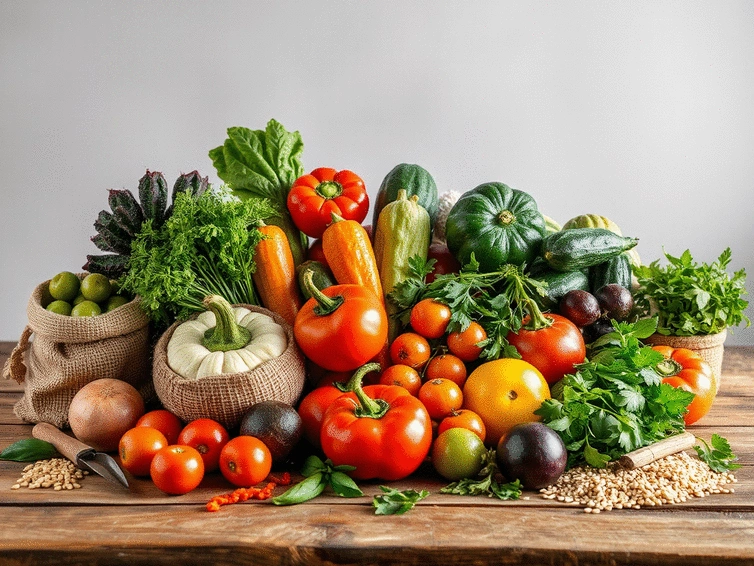
What if your food choices could help heal the planet? Regenerative agriculture offers a transformative path, not just for farmers, but for all of us as conscious consumers. By understanding and embracing its principles, we can significantly impact our health and the environment.
This visual highlights the core practices of regenerative agriculture and the top foods that benefit from and contribute to soil health.
Kale
Supports microbial health.
Grass-Fed Beef
Improves soil structure.
Wheat
Enhances carbon sequestration.
Tomatoes
Boosts antioxidants & biodiversity.
Carrots
Improves soil aeration.
Quinoa
Adds diet diversity & soil health.
Spinach
Enriches soil and body.
Regenerative agriculture is more than just a farming technique; it's a philosophy that focuses on restoring and enhancing the health of our soils. This approach emphasizes practices that not only sustain but also improve soil vitality, ultimately leading to stronger ecosystems and healthier food systems. At iFit Magazine, we believe understanding these principles helps us appreciate how deeply our food choices affect both our health and the planet!
Regenerative agriculture revolves around key practices that enhance soil health, including crop rotation, cover cropping, and reduced tillage. These methods aim to rebuild organic matter and restore ecological balance in the soil, which is crucial for growing nutritious crops. By adopting these practices, farmers foster a dynamic ecosystem where soil microorganisms thrive, leading to improved soil structure and nutrient availability. The USDA has even launched a new pilot program to support these efforts, aiming to lower farmer production costs and advance sustainable agriculture.
By focusing on these principles, regenerative agriculture creates a sustainable path forward that benefits farmers, consumers, and the planet alike. It's a win-win situation where the soil can rejuvenate, and we get to enjoy the benefits of nutrient-rich foods!
The benefits of regenerative practices are profound, particularly when it comes to improving soil structure and nutrient content. Techniques such as no-till farming and cover cropping help to create a robust soil ecosystem that enhances water retention and reduces erosion. This means healthier soils capable of supporting diverse plant life, which is crucial for both local ecosystems and the foods we eat. Research published in PMC NCBI highlights the significant impact of regenerative agriculture on soil health, showing improved soil quality and biodiversity.
As we explore these benefits, it's clear that regenerative agriculture isn’t just about farming practices; it's about enhancing the overall health of our communities and the food systems we rely on. By making conscious choices to support these methods, we contribute to a healthier planet and better food for ourselves! The future of agriculture is rooted in resilience, as discussed by CSA News, with regenerative practices leading the way.
How do you incorporate regenerative foods into your diet? Share your experiences or favorite recipes below:
Regenerative agriculture is a farming philosophy focused on restoring and enhancing soil health through practices like crop rotation, cover cropping, and reduced tillage, aiming to improve soil vitality and ecological balance.
Key practices include crop rotation, cover cropping, reduced/no-tillage, diverse cropping, and holistic grazing. These methods work together to rebuild organic matter and foster a healthy soil ecosystem.
It improves soil structure, enhances water retention, reduces erosion, increases nutrient cycling, and promotes the growth of beneficial soil organisms, leading to more resilient and productive land.
Foods like kale, grass-fed beef, wheat, tomatoes, carrots, quinoa, and spinach are considered regenerative because their cultivation practices support soil health and biodiversity.
Consumers can support regenerative agriculture by seeking out farmers who use these practices at local markets, advocating for supportive policies, joining community gardening initiatives, and educating themselves and others about its benefits.
As we dive deeper into the world of regenerative agriculture, it becomes clear how incorporating the top seven regenerative foods into our diets can significantly enhance both our personal health and soil vitality. By focusing on these nutrient-dense foods, we not only nourish our bodies but also contribute to a healthier ecosystem.
These foods are not just beneficial for our plates; they also play a critical role in restoring and enhancing soil health. When we choose to support regenerative agriculture practices, we encourage methods that prioritize the well-being of our planet. Here’s a quick rundown of the benefits:
Incorporating these foods can be a delightful journey toward embracing a healthier lifestyle while also supporting the environment. It’s a win-win for both our health and the planet!
Feeling inspired? It's time to take action! Supporting regenerative practices in our community can create a ripple effect, promoting sustainable farming and healthier local food systems. Here are some practical ways you can get involved:
Your involvement not only makes a difference in your health but also fosters a stronger, more sustainable community. Together, we can advocate for practices that benefit both our bodies and the earth!
Curious to learn more about regenerative agriculture? Here are some valuable resources that can deepen your understanding and guide you on your journey:
These resources can empower you with knowledge and inspire you to take actionable steps. Whether you’re a home gardener or simply passionate about better food systems, there’s a wealth of information waiting for you!
Here is a quick recap of the important points discussed in the article:
Choosing the Right Fitness App

Choosing a fitness app can feel like a daunting task, especially with the plethora of options availa
Flavorful Low-Salt, Low-Sugar Recipes

What if reducing salt and sugar could not only enhance your health but also transform your culinary
Functional Fitness for Better Balance

Are you ready to transform your workout routine into something that truly benefits your everyday lif

Choosing the Right Fitness App
Flavorful Low-Salt, Low-Sugar Recipes
Functional Fitness for Better Balance
Family Fitness: Inspiring Success Stories
From Loss to Hope: Resilience