
Cayenne Pepper & Capsaicin
- ✓ Increases thermogenesis
- ✓ Promotes fat oxidation
- ✓ Boosts calorie-burning efforts

What if the secret to boosting your metabolism lies in your spice rack? The vibrant flavors of spices like cayenne and ginger not only enhance your meals but can also rev up your body's calorie-burning engine. Dive into the science behind these ingredients and discover how they can support your fitness journey!
Discover how various spices enhance metabolism, support fat burning, and contribute to overall wellness, presented in an easy-to-understand overview.
Have you ever wondered how some foods can seemingly fire up your metabolism while others leave you feeling sluggish? The secret often lies in the spices and high-heat foods we incorporate into our diets. At iFit Magazine, we’re passionate about helping you discover the vibrant connection between these ingredients and their ability to boost your metabolism!
In this section, we’ll explore the science behind thermogenesis, metabolism-boosting foods, and the role of antioxidants in metabolic health. By understanding these concepts, you'll be better equipped to make informed decisions that support your journey toward vitality.
Thermogenesis is a fascinating process that involves the production of heat in the body. This process not only helps regulate body temperature but also plays a critical role in energy expenditure and your resting metabolic rate. When you consume certain spices or high-heat foods, your body works harder to digest them, leading to an increase in thermogenesis.
By incorporating these thermogenic foods into your diet, you can support your metabolism and help your body efficiently manage its energy use.
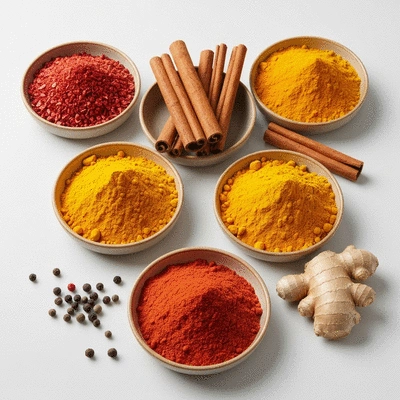
Metabolism-boosting foods are those that can elevate your metabolic rate, enhance fat burning, and aid in weight management. But what exactly qualifies as a metabolism booster? These foods often have specific properties that kickstart your body’s energy expenditure.
Including these foods in your meals can be a game-changer for those looking to enhance their metabolic function and manage their weight effectively!
Antioxidants are powerful compounds that help combat oxidative stress in the body. Many spices, such as turmeric and cinnamon, are loaded with antioxidants that can significantly contribute to metabolic health. For instance, studies have shown that curcumin, the active compound in turmeric, possesses potent antioxidant properties that help reduce oxidative stress and inflammation, thereby supporting metabolic function.
When we reduce oxidative stress, we allow our bodies to function optimally, including metabolic processes that support fat burning and energy production. This means that not only do these spices add flavor to your meals, but they also play a vital role in maintaining your body's overall health!
Cayenne pepper is more than just a spice; it’s a powerhouse for boosting metabolism! The active compound capsaicin found in cayenne pepper has been shown to increase thermogenesis and promote fat oxidation. As mentioned earlier, research from the British Journal of Nutrition highlights capsaicin's role in supporting weight loss through increased energy expenditure.
By adding cayenne to your meals, you’re not only enhancing flavor but also helping your body ramp up its calorie-burning efforts. Imagine feeling a little extra warmth during your workout—that’s the power of capsaicin at work!
Ginger and turmeric are two spices that pack a significant punch when it comes to supporting metabolism and overall health. They both have unique properties that can enhance your fitness journey!
Ginger has been found to enhance fat oxidation, which means it helps your body utilize fat as a source of energy. This is especially beneficial if you’re looking to shed some pounds or improve your workout performance. Plus, ginger can help to control appetite, making it easier to stick to your nutrition goals! A review published in Nutrients discusses ginger's potential in improving metabolic syndrome components, including lipid profiles and glucose control.
Turmeric, known for its active ingredient curcumin, is another fantastic addition to your wellness arsenal. Curcumin has anti-inflammatory properties that can support metabolic health and improve recovery after workouts. By reducing inflammation, turmeric helps you feel your best, enabling you to stay consistent on your fitness journey! The antioxidant properties of curcumin are well-documented, as noted in the Frontiers in Nutrition article, which can significantly benefit metabolic processes.
Cinnamon isn’t just a delicious addition to your morning oatmeal; it also plays a crucial role in regulating blood sugar levels. By improving insulin sensitivity, cinnamon can help maintain stable energy levels and support metabolic function.
Integrating cinnamon into your diet can be a simple yet effective way to enhance your metabolic health. Sprinkle it on your favorite meals and enjoy the benefits!
Want to supercharge your meals? Consider combining spices! For instance, mixing cayenne pepper with turmeric not only enhances the flavor but also maximizes the thermogenic benefits of both spices. This dynamic duo can amplify your metabolic rate while adding a delicious kick to your dishes!
Thermogenesis is the process of heat production in the body, which contributes to calorie burning. Certain spices, like cayenne pepper (due to capsaicin) and ginger, can increase thermogenesis, causing your body to expend more energy to digest them, thus boosting your metabolic rate.
Key metabolism-boosting spices include cayenne pepper (for thermogenesis and fat oxidation), ginger (for fat oxidation and appetite control), turmeric (for anti-inflammatory properties and metabolic health), and cinnamon (for regulating blood sugar and improving insulin sensitivity).
Antioxidants in spices like turmeric and cinnamon help combat oxidative stress in the body. By reducing oxidative stress and inflammation, these spices support optimal metabolic function, aiding in fat burning and energy production.
Yes, combining spices can often maximize their benefits. For example, mixing cayenne pepper with turmeric can enhance both the thermogenic properties and anti-inflammatory effects, providing a more comprehensive boost to your metabolic health.
Start by adding small amounts of spices like cayenne pepper to omelets or cinnamon to oatmeal. You can also mix them into marinades, dressings, smoothies, or explore cuisines that naturally use these ingredients to find flavorful ways to integrate them into your meals.
As we've explored, spices and high-heat foods play a fascinating role in boosting our metabolism and enhancing fitness nutrition. By incorporating these vibrant ingredients into our meals, we can tap into their thermogenic properties, which can help elevate our energy expenditure and support fat burning. From cayenne pepper to cinnamon, each spice offers unique benefits that contribute to our overall metabolic health.
Key takeaways from our discussion include:
Integrating high-heat foods into your diet not only spices things up but also supports your fitness goals. The science behind these ingredients shows just how powerful they can be in our journey toward better health!

I encourage you to take action and experiment with spices in your meals. Start by adding a pinch of cayenne pepper to your morning omelet or sprinkling cinnamon on your oatmeal for added flavor and benefits. This can enhance not just the taste but also your metabolic rate and overall fitness outcomes!
Here are a few simple steps to get you started:
Your body will thank you for the flavorful boost, and you might just find your meals more enjoyable and satisfying. Remember, every small change can lead to significant results over time!
I’d love to hear from you! Share your experiences with spices and high-heat foods and how they have impacted your fitness journey. Have you discovered a new favorite spice that makes your meals shine? Let’s connect and support one another in our wellness pursuits! Drop your stories in the comments below or reach out directly through iFit Magazine’s social media channels!
Here is a quick recap of the important points discussed in the article:
Choosing the Right Fitness App

Choosing a fitness app can feel like a daunting task, especially with the plethora of options availa
Flavorful Low-Salt, Low-Sugar Recipes
What if reducing salt and sugar could not only enhance your health but also transform your culinary
Functional Fitness for Better Balance

Are you ready to transform your workout routine into something that truly benefits your everyday lif

Choosing the Right Fitness App
Flavorful Low-Salt, Low-Sugar Recipes
Functional Fitness for Better Balance
Family Fitness: Inspiring Success Stories
From Loss to Hope: Resilience