
AI and Apps in Workout Planning
As technology evolves, so does our approach to fitness. Have you ever considered how artificial intelligence could revolutionize your workout routine? With the rise of AI workout planners, personalized fitness has never been more accessible!
What You Will Learn
- AI workout planners tailor fitness routines to individual needs using data analysis.
- These tools offer goal setting, progress tracking, and real-time feedback to enhance your workouts.
- Machine learning allows AI to adapt recommendations based on your performance and preferences.
- Despite their advantages, AI apps can have limitations, such as insufficient personalization or inability to respond to sudden physical changes.
- User privacy and data security are crucial; always review app privacy policies and data handling practices.
- Effective fitness apps integrate health data and user feedback for more personalized guidance.
The AI Workout Planner Workflow
This diagram illustrates the comprehensive process of how an AI workout planner functions, from initial user input to continuous adaptation and improvement.
1. User Input & Initial Data
- Fitness Level & Goals
- Preferences (e.g., equipment)
- Historical Workout Data
2. AI Algorithm Analysis
- Assess inputs & patterns
- Identify strengths & weaknesses
- Predict optimal workout types
3. Program Generation & Customization
- Generates personalized routine
- Tailors exercises & intensity
- Sets clear fitness goals
4. Real-time Adaptation & Feedback
- Monitors performance during workout
- Provides immediate suggestions
- Modifies program as you progress
Understanding AI's Impact on Personalized Workout Planning
As a fitness enthusiast, I’m excited to dive into the world of AI and its transformative role in personalized workout planning! With technology advancing at lightning speed, understanding AI workout planners is key to maximizing our fitness journeys. Let’s explore how these tools work and their impact on our training routines.
What is an AI Workout Planner and How Does It Work?
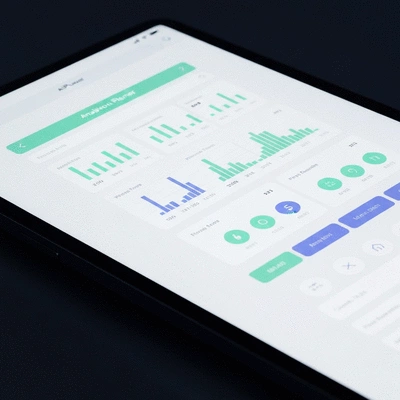
An AI workout planner is a sophisticated tool designed to tailor fitness routines to individual needs based on various data inputs. These planners analyze factors such as your fitness level, goals, and preferences to create a customized workout program that adapts as you progress. Think of it as having a personal trainer who’s always available!
- Data Analysis: AI uses algorithms to assess your historical workout data.
- Customization: Based on your inputs, it generates workouts suited to your level.
- Adaptation: As you improve, the AI modifies your program to keep you challenged.
This technology not only saves time but also ensures that your fitness journey is as efficient and effective as possible. With AI's ability to analyze vast amounts of data, it can offer insights that even the most experienced trainers might overlook. Research, such as that published in the International Journal of Science and Advanced Technology, highlights the growing potential of AI in personalizing fitness regimens effectively.
The Role of AI in Tailoring Fitness Programs
AI plays a crucial role in personalizing fitness programs by using data-driven insights to enhance our workouts. Whether you're a beginner or a seasoned athlete, these planners can help you identify what works best for your body and lifestyle. It’s like having a coach who understands your unique rhythm!
- Goal Setting: Helps you define clear fitness goals.
- Progress Tracking: Monitors your improvements over time.
- Feedback Loop: Provides immediate suggestions after workouts.
By leveraging AI, you gain access to a level of personalization that can keep you motivated and on track. This tailored approach encourages you to embrace your fitness journey with confidence and clarity.
How Machine Learning Enhances Personalized Workout Recommendations
Machine learning is a game-changer in the realm of fitness apps, allowing these systems to constantly learn and improve. As you complete your workouts, the AI analyzes your performance, adapting its recommendations to match your evolving fitness level. Isn’t that incredible?
- Learning Patterns: Understands your workout tendencies and preferences.
- Predictive Analysis: Anticipates what types of workouts you'll enjoy based on past behavior.
- Dynamic Adjustments: Alters intensity and focus areas based on real-time performance metrics.
This continuous improvement process means your workouts will never feel stagnant! You’ll always have fresh challenges to conquer as you progress on your journey toward a healthier, stronger version of yourself. Academic research, such as that found in the Journal of Emerging Technologies and Innovative Research, further illustrates how machine learning algorithms are being developed to create increasingly sophisticated and personalized fitness plans.
We Want to Hear From You!
What aspect of AI in fitness excites you the most? Is it the personalized workout plans, the adaptability of programs, or something else? Share your thoughts below:
Frequently Asked Questions About AI Workout Planners
Q: What is an AI workout planner?
A: An AI workout planner is a sophisticated tool that uses artificial intelligence to create and adapt personalized fitness routines based on an individual's fitness level, goals, preferences, and historical workout data.
Q: How does AI personalize workout programs?
A: AI personalizes programs by analyzing user input and performance data to identify strengths, weaknesses, and optimal workout types. It then generates customized routines, sets fitness goals, tracks progress, and provides real-time feedback and adjustments.
Q: What role does machine learning play in these planners?
A: Machine learning enables AI workout planners to continuously learn from your performance and preferences. It analyzes workout tendencies, predicts enjoyable workout types, and dynamically adjusts intensity and focus areas based on real-time metrics, ensuring your routine evolves with you.
Q: What are the limitations of AI-powered fitness apps?
A: Limitations can include insufficient personalization if user input is limited, an inability to adapt to sudden changes in physical condition (like injuries), and potential over-reliance on algorithms without professional human guidance. They may also not provide the same level of motivation or support as a human trainer.
Q: How do AI fitness apps handle user privacy and data security?
A: Reputable AI fitness apps should prioritize user privacy and data security. Users should review the app's privacy policy to understand data usage, check for data encryption and secure servers, and opt for apps that allow control over shared information. The National Institutes of Health (NIH) emphasizes the importance of data security in health-related applications, as detailed in articles on PMC PubMed Central.
Balancing Benefits and Limitations of AI in Fitness
As we dive into the world of AI-driven fitness, it’s essential to recognize both the benefits and limitations these technologies bring. While AI can revolutionize how we approach our workouts, there are areas where it may not fully meet our needs. Let’s explore some scenarios where AI-powered apps may fall short.
When AI-Powered Apps May Fall Short
AI fitness apps are impressive, but they aren’t perfect. There are certain situations where these apps might not deliver the best results. Here are a few common limitations:
- Limited personalization if user input is insufficient
- Inability to adapt to sudden changes in physical condition
- Potential reliance on algorithmic recommendations over professional guidance
For instance, if you’re just starting your fitness journey, relying solely on an AI planner without any guidance might not provide the motivation or support you need to stay on track. It’s crucial to combine technology with human touch for a well-rounded fitness experience!
Addressing User Privacy and Data Security Concerns
As we engage with AI-powered fitness apps, it’s natural to have concerns about privacy and data security. After all, we’re sharing personal information about our health and habits. Here are some key points to consider when using these apps:
- Review the app's privacy policy to understand data usage
- Check for data encryption and secure servers
- Opt for apps that allow you to control what information is shared
At iFit Magazine, we emphasize the importance of choosing apps that prioritize your data security. Just remember, a well-informed user is a powerful user! If you understand how your data is being protected, you can enjoy the benefits of technology without the worry. The National Institutes of Health (NIH), through its PubMed Central archive, provides valuable insights into the considerations for health data privacy and security in digital health tools.
Examining Health Data Integration and User Feedback in Fitness Apps
AI fitness apps thrive on data, making it vital to examine how they integrate health information and user feedback. A solid app should:
- Connect seamlessly with wearable devices
- Incorporate user feedback to refine workout suggestions
- Utilize extensive health databases for personalized recommendations
This integration is key to making the most of your fitness app. When an app learns from your feedback and health data, it becomes more effective in crafting a plan that aligns with your goals. As a fitness enthusiast, I find that this adaptability is what makes AI truly exciting!
Recap of Key Points
Here is a quick recap of the important points discussed in the article:
- AI workout planners analyze personal data to create customized fitness routines that adapt to your progress.
- Machine learning enhances these planners by constantly learning and improving workout recommendations based on user performance.
- While AI offers significant benefits, limitations exist, particularly regarding personalization and the need for human guidance.
- User privacy and data security are crucial when using AI fitness apps; always review privacy policies and control shared information.
- Effective AI fitness apps integrate health data and user feedback, ensuring workout plans align with individual goals and preferences.



Choosing the Right Fitness App
Flavorful Low-Salt, Low-Sugar Recipes
Functional Fitness for Better Balance
Family Fitness: Inspiring Success Stories
From Loss to Hope: Resilience