
Improved Cognitive Function
Enhanced memory, better attention spans, and overall cognitive clarity.
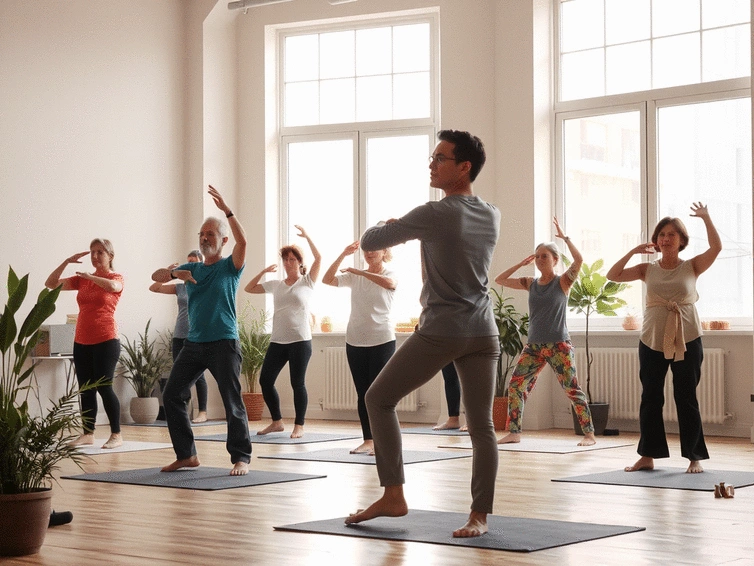
Did you know that incorporating practices like yoga and tai chi can significantly enhance your brain health alongside your physical fitness? These mind-body techniques not only promote mental clarity but also foster emotional resilience, making them essential for overall well-being.
Mind-body fitness techniques like yoga and Tai Chi offer significant cognitive benefits, enhancing memory, focus, and emotional resilience. The visual below highlights the core areas where these practices make a profound impact.
Enhanced memory, better attention spans, and overall cognitive clarity.
Promotes brain adaptability, strengthening neural connections.
Effectively lowers stress hormones, fostering a calmer mental state.
Contributes to improved mood and emotional resilience.
Have you ever wondered how practices like yoga and tai chi can enhance not just your physical fitness but also your brain health? These mind-body fitness techniques go beyond traditional exercise, promoting mental clarity and emotional resilience. Let's dive into the fascinating world of mind-body fitness and uncover why it matters for your overall well-being!
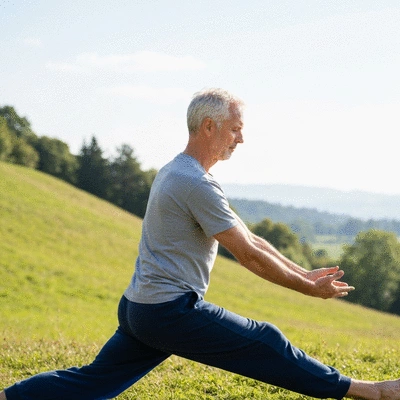
Mind-body fitness refers to exercise forms that harmonize the mind and body, fostering a deep connection between physical movements and mental focus. At iFit Magazine, we emphasize this integration as essential for achieving lasting vitality. By practicing mind-body techniques, we can enhance our body awareness and emotional stability, ultimately leading to improved mental health. Research consistently highlights the positive impact of these practices on cognitive function, as detailed in this study on mind-body interventions.
Mind-body fitness encompasses various practices, including yoga, tai chi, and meditation, that nurture both physical and psychological well-being. It's about being present in each moment, recognizing how our thoughts influence our movements, and vice versa. This holistic approach helps us cultivate a greater sense of balance and harmony in our lives. Furthermore, the neuroscience of movement supports the profound connection between mind and body.
When we engage in activities that promote mind-body awareness, we can reduce stress, enhance concentration, and improve cognitive function. Think of it as a mental workout that complements your physical activity, ensuring a well-rounded approach to health!
Why is brain health so crucial? Our cognitive function directly impacts our emotional and physical health. A healthy brain supports memory, attention, and decision-making, all vital for navigating daily challenges. As a passionate fitness enthusiast, I’ve witnessed firsthand how practices like yoga and tai chi can enhance mental clarity and emotional resilience. The potential benefits for brain health are even being explored in clinical trials, such as this study on Tai Chi and executive function.
Integrating these practices into your routine is a step toward embracing a holistic lifestyle that prioritizes mental clarity and emotional well-being.
Neuroplasticity, the brain's ability to adapt and change throughout our lives, plays a significant role in how yoga and tai chi benefit cognitive function. These practices stimulate neural pathways, fostering connections that enhance memory, learning, and overall brain performance. By regularly engaging in these mind-body techniques, we can support our brain's plasticity and improve its resilience.
At iFit Magazine, we believe in the power of knowledge. Understanding how our brain works can motivate us to incorporate practices like yoga and tai chi into our lives. Imagine the potential of nurturing your brain with each mindful movement!
Both yoga and tai chi offer unique mechanisms that support memory and cognitive flexibility. The slow, deliberate movements in tai chi enhance coordination and concentration, while yoga promotes mindfulness through breath control and body awareness. This combination not only improves flexibility but also sharpens mental acuity.
Incorporating these elements into your routine can create a powerful synergy for both body and brain health!
Integrating mindfulness and meditation into your yoga or tai chi practice can amplify the cognitive benefits. These techniques help cultivate a state of awareness that reduces anxiety and enhances focus. I often encourage my readers at iFit Magazine to explore various mindfulness techniques to find what resonates with them best!
By fostering a regular practice, we can enhance our brain's resilience, equipping ourselves to handle the challenges life throws our way. Remember, every small step counts on your journey to health and wellness!
How do you currently incorporate mind-body practices like yoga or tai chi into your daily routine? Share your experiences or tips with us below:
As we dive deeper into the fascinating world of mind-body fitness, it’s essential to recognize the cognitive benefits that practices like yoga and Tai Chi offer. These ancient disciplines provide more than just physical benefits; they also enhance our brain health in significant ways. After exploring various studies and insights, here are the key takeaways that emphasize how these practices can transform our mental well-being!
Current research showcases a multitude of advantages stemming from the integration of yoga and Tai Chi into our routines. Here are some of the main findings:
These findings highlight the profound impact that moving our bodies can have on our minds. It’s a beautiful reminder that taking care of our physical health directly influences our mental clarity and emotional stability!
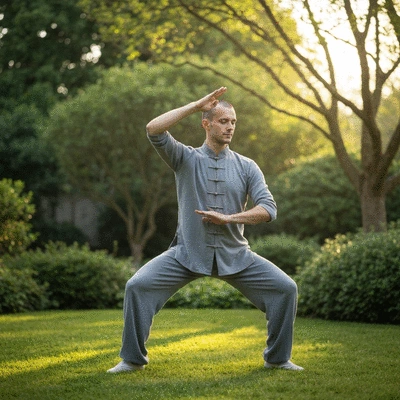
Research consistently supports the cognitive benefits of yoga and Tai Chi, revealing several intriguing facets:
It’s heartening to see how these ancient practices, rooted in mindfulness, resonate with our modern understanding of brain health. Incorporating them into our lives can lead to lasting changes!
The implications of embracing yoga and Tai Chi extend far beyond just improving cognitive function. By integrating these practices into daily life, we can:
Ultimately, adopting these practices can pave the way for a more balanced and fulfilling life. It’s like adding a new layer of vitality to our everyday existence!
Movement therapy, through activities like yoga and Tai Chi, plays a vital role in cultivating emotional resilience. Here’s how:
These elements merge to create a holistic approach to mental health, enhancing our ability to handle life’s ups and downs.
Feeling inspired to enhance your brain health through yoga and Tai Chi? It’s time to take action! Here are some simple steps to get started:
Embarking on this journey doesn’t have to be overwhelming. Here are a few tips to help you begin:
Remember, it’s all about progress, not perfection! Each small step contributes to your overall well-being.
To deepen your understanding and practice of yoga and Tai Chi, consider exploring some of the following resources:
With these resources at your fingertips, you’ll be well on your way to integrating yoga and Tai Chi into your life, enhancing both your physical and mental health!
Here is a quick recap of the important points discussed in the article:
Choosing the Right Fitness App

Choosing a fitness app can feel like a daunting task, especially with the plethora of options availa
Flavorful Low-Salt, Low-Sugar Recipes

What if reducing salt and sugar could not only enhance your health but also transform your culinary
Functional Fitness for Better Balance

Are you ready to transform your workout routine into something that truly benefits your everyday lif

Choosing the Right Fitness App
Flavorful Low-Salt, Low-Sugar Recipes
Functional Fitness for Better Balance
Family Fitness: Inspiring Success Stories
From Loss to Hope: Resilience