
Heart Rate Variability (HRV)
Measures variation in time intervals between heartbeats, indicating stress & recovery.
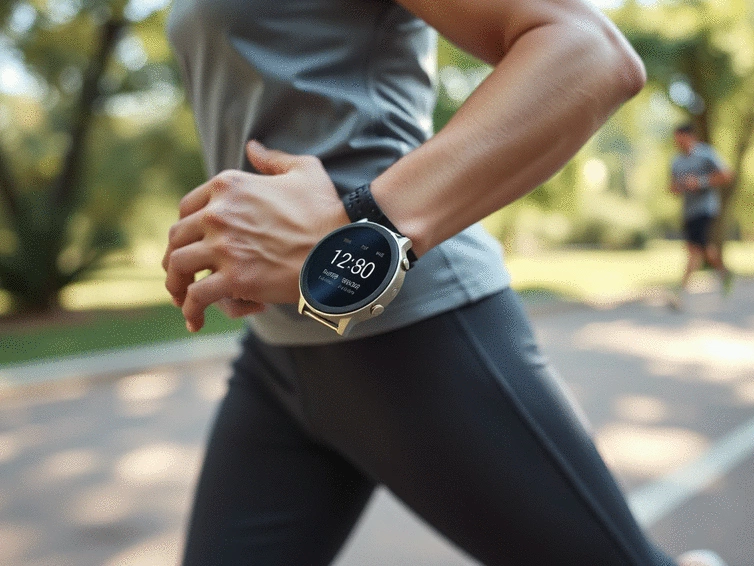
What if you could unlock your fitness potential just by wearing a device? Wearable fitness technology is revolutionizing the way we approach health, making fitness tracking not only effective but also engaging. Let’s explore the key insights that can help you optimize your workout journey!
Wearable fitness technology goes beyond simple step counting, offering valuable insights into various aspects of your health and performance. The visual below highlights five key metrics these devices commonly track.
Measures variation in time intervals between heartbeats, indicating stress & recovery.
Indicates maximum oxygen utilization during intense exercise, reflecting cardiovascular fitness.
Monitors sleep patterns and quality to help understand overall recovery and optimize performance.
Includes heart rate, skin temperature, and stress levels for insights into body reactions.
Accurately estimates energy expenditure, crucial for weight management and dietary adjustments.
As a fitness enthusiast, I can’t help but marvel at how wearable fitness technology has transformed our approach to health and wellness. From tracking our steps to monitoring our heart rate, these devices offer invaluable insights into our fitness journeys. At iFit Magazine, we’re committed to keeping you informed about the latest innovations and how they can enhance your workouts!
So, what exactly is wearable fitness technology? These devices are not just trendy gadgets; they are smart tools that provide real-time feedback on various aspects of our physical health and activity levels. Wearables come in many forms, including smartwatches, fitness bands, and even smart clothing. Each of these devices serves to make our fitness experiences more measurable and manageable. In fact,wearable technology continues to be a top fitness trend for 2024.
When we talk about wearable fitness technology, we refer to electronic devices worn on the body that collect data related to our physical activity. They often sync with apps on our smartphones, allowing us to analyze our progress over time. This combination of technology and our daily routines builds a clearer picture of our overall fitness levels.
These devices empower us to set realistic goals and monitor our progress, which is essential for maintaining motivation on our fitness journeys. Just imagine having a little coach on your wrist, guiding you along the way! According to a recent study, wearable device trends among US adults show increasing adoption and diverse usage patterns, highlighting their growing importance in personal health management.
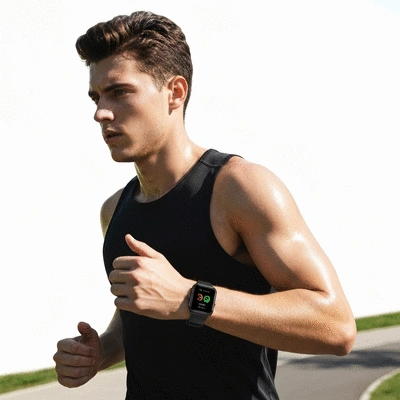
While many people think of fitness trackers as mere step counters, they actually capture a wide array of metrics that can enhance your understanding of your health. Let’s explore some key metrics beyond just steps!
Each of these metrics provides a piece of the puzzle to a healthier you. By understanding these elements, you can tailor your workouts and recovery methods for better results!
Heart Rate Variability (HRV) measures the variation in time intervals between heartbeats. It’s not just a fancy term; it plays a crucial role in understanding your body’s stress levels and recovery state. A higher HRV can indicate a well-recovered athlete, whereas a lower HRV might suggest fatigue or overtraining. Incorporating this insight can help you optimize your training schedule!
Tracking your HRV can empower you to listen to your body, leading to more informed decisions about when to push harder and when to take a break.
VO2 Max is another critical metric that wearable technology can measure. It indicates the maximum amount of oxygen your body can utilize during intense exercise. Higher VO2 Max values typically correlate with better cardiovascular fitness. Monitoring this can help you gauge your endurance progress over time!
For example, if you notice an increase in your VO2 Max, it’s a clear sign that your training methods are effective. It’s like having a personal benchmark for your aerobic capabilities!
Did you know that recovery is just as important as the workout itself? Wearables that track your sleep can help you understand how well you’re recovering. Sleep quality directly impacts your performance, mood, and overall health. By wearing a device that monitors your sleep patterns, you can identify trends and areas for improvement.
Better sleep translates to better workouts, so prioritizing rest is essential on your journey to wellness!
Lastly, let’s talk about biometric data. This encompasses various measurements, including your heart rate, skin temperature, and even stress levels. By analyzing this data, wearables can provide insights into how your body reacts to different activities and stressors.
Understanding this information can empower you to make informed lifestyle choices, whether adjusting your workout intensity or prioritizing recovery methods. Remember, knowledge is power! Research from the Wyss Institute at Harvard University is developing next-generation wearable technologies that can provide even deeper insights into human performance and health.
How has wearable fitness technology impacted your workout routine? Share your thoughts with us:
As a fitness enthusiast, I've seen firsthand how wearable fitness technology can transform workout experiences and results. These devices are not just for tracking steps; they play a significant role in evaluating strength gains and improving recovery times. Let's dive into how these gadgets enhance our fitness journey!
By analyzing performance data, wearables help us understand when to push harder and when to rest. This tailored approach can lead to more significant improvements in strength and overall performance.
Have you ever wondered how wearables can help maximize your strength gains? These devices allow for detailed tracking of your workout sessions, helping you identify patterns in your training. For instance, many wearables monitor your heart rate during strength training, guiding you on when to increase weight or intensity.
Moreover, the ability to analyze this data continuously supports an effective recovery strategy, ensuring you're ready for your next workout. Remember, recovery is just as important as the workout itself!
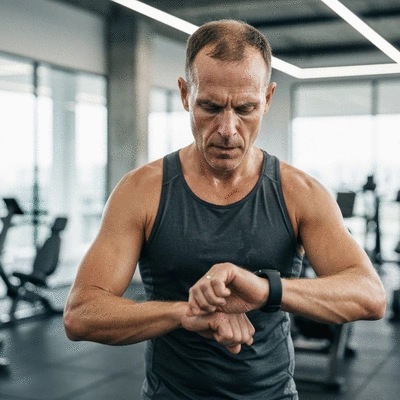
Injury prevention is a crucial aspect of any fitness routine, and recent studies have shown that wearable technology can play a key role here. By tracking metrics like movement patterns and muscle fatigue, wearables can alert us to potential risks before they lead to injuries.
These insights not only enhance safety but also encourage better training habits. With the right data, we can modify our workouts to minimize risks and maximize effectiveness.
Another essential feature of wearable tech is their ability to estimate caloric burn accurately. This is particularly important for anyone aiming to lose weight or maintain a healthy lifestyle. An accurate caloric burn estimation helps users understand their energy expenditure and adjust their dietary intake accordingly.
As someone who believes in a holistic approach to wellness, I find this aspect vital. It empowers us to take control of our health and make informed decisions about our fitness routines and nutrition.
Here is a quick recap of the important points discussed in the article:
Choosing the Right Fitness App

Choosing a fitness app can feel like a daunting task, especially with the plethora of options availa
Flavorful Low-Salt, Low-Sugar Recipes

What if reducing salt and sugar could not only enhance your health but also transform your culinary
Functional Fitness for Better Balance

Are you ready to transform your workout routine into something that truly benefits your everyday lif

Choosing the Right Fitness App
Flavorful Low-Salt, Low-Sugar Recipes
Functional Fitness for Better Balance
Family Fitness: Inspiring Success Stories
From Loss to Hope: Resilience